When considering a Wyoming tour, it’s essential to delve into the diverse attractions and natural wonders of the state. Wyoming’s enchanting landscapes, including the iconic Yellowstone National Park and Grand Teton National Park, offer an abundance of outdoor adventures. From hiking and wildlife spotting to breathtaking scenic drives, these national parks showcase the raw beauty of nature, making them must-visit destinations for any traveler.
Furthermore, the charming town of Jackson Hole presents a blend of rustic charm and modern amenities. Visitors can experience the unique western culture, explore art galleries, or enjoy delicious local cuisine. Additionally, the historic sites in Wyoming, such as the Old Trail Town and the Buffalo Bill Center of the West, provide insight into the state’s rich heritage and the spirit of the American West.
In this blog I’ll share the 7 days plan that covers the iconic Yellowstone National Park and Grand Teton National Park.
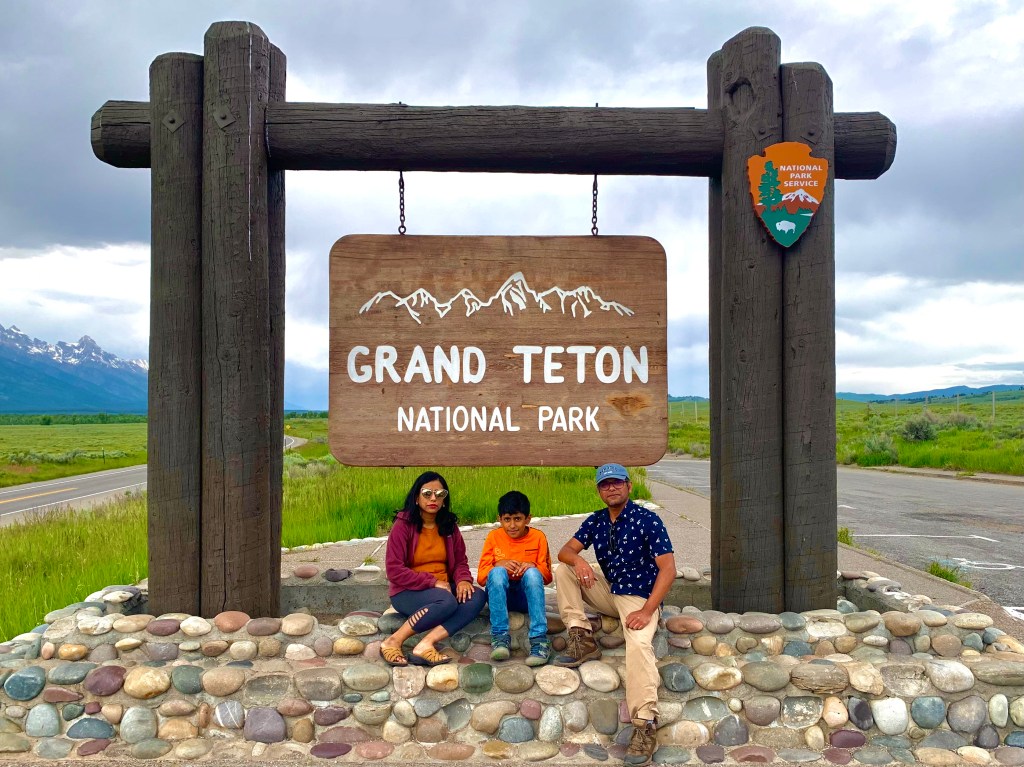
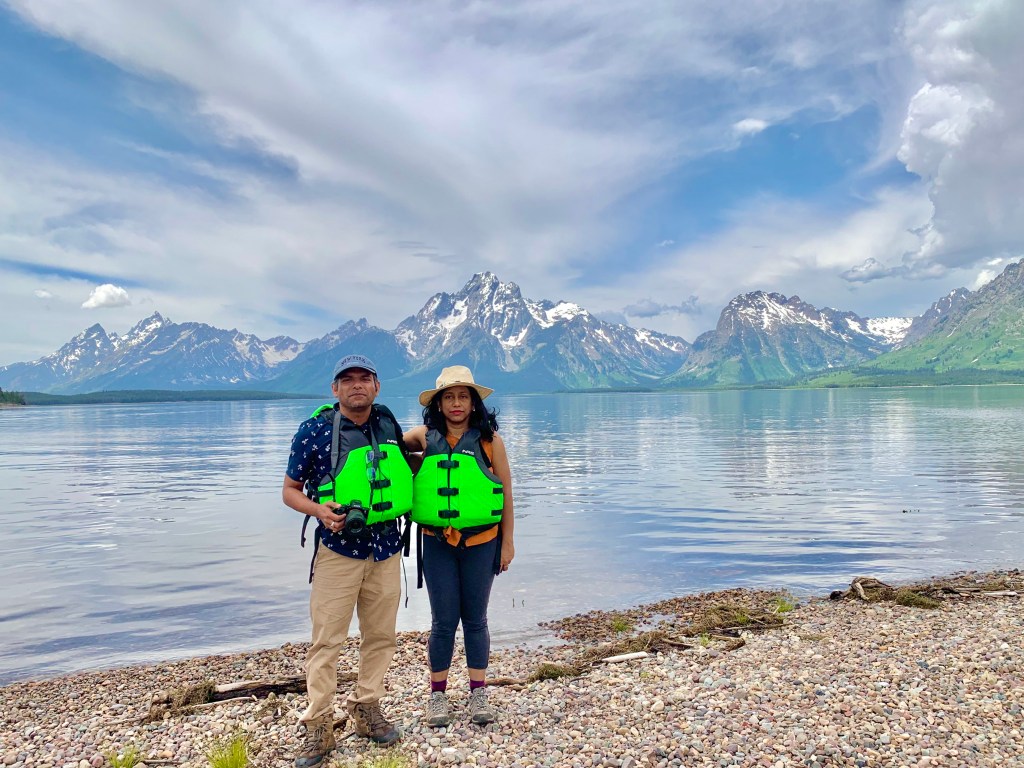
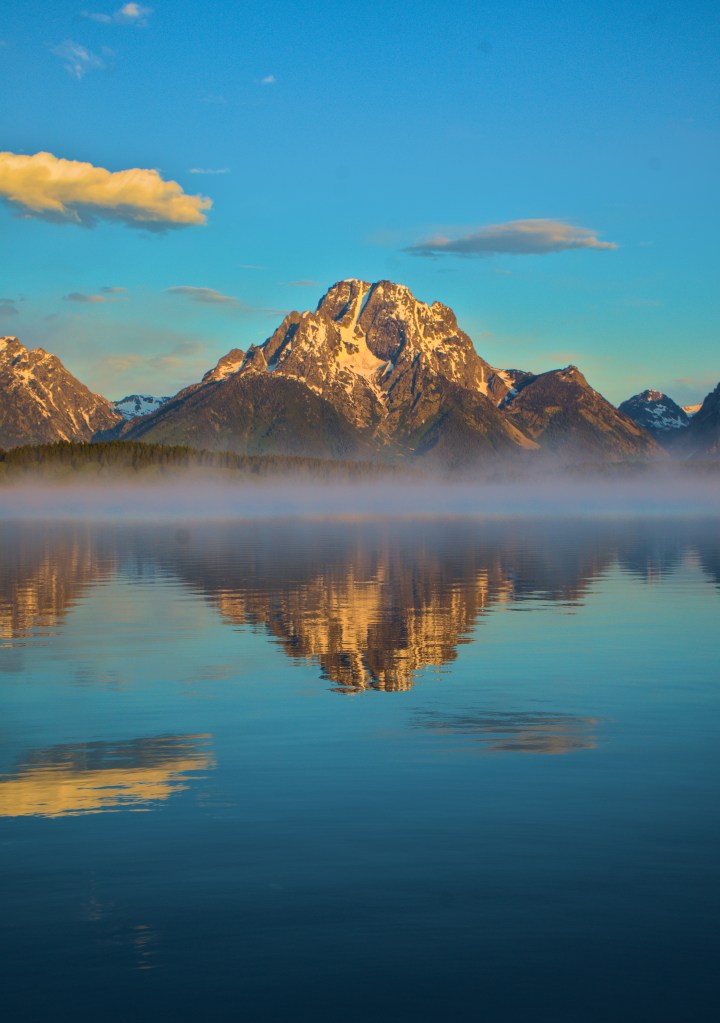
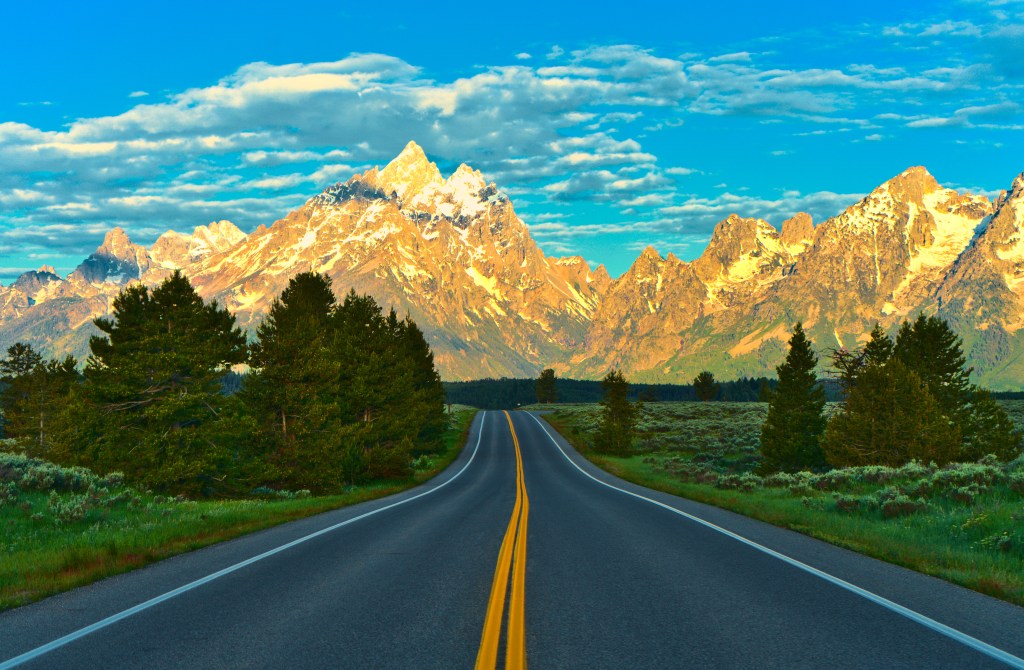
We started our tour visiting the Grand Teton National Park. We spent two days in the park.
Day 1: Exploring the Grand Teton
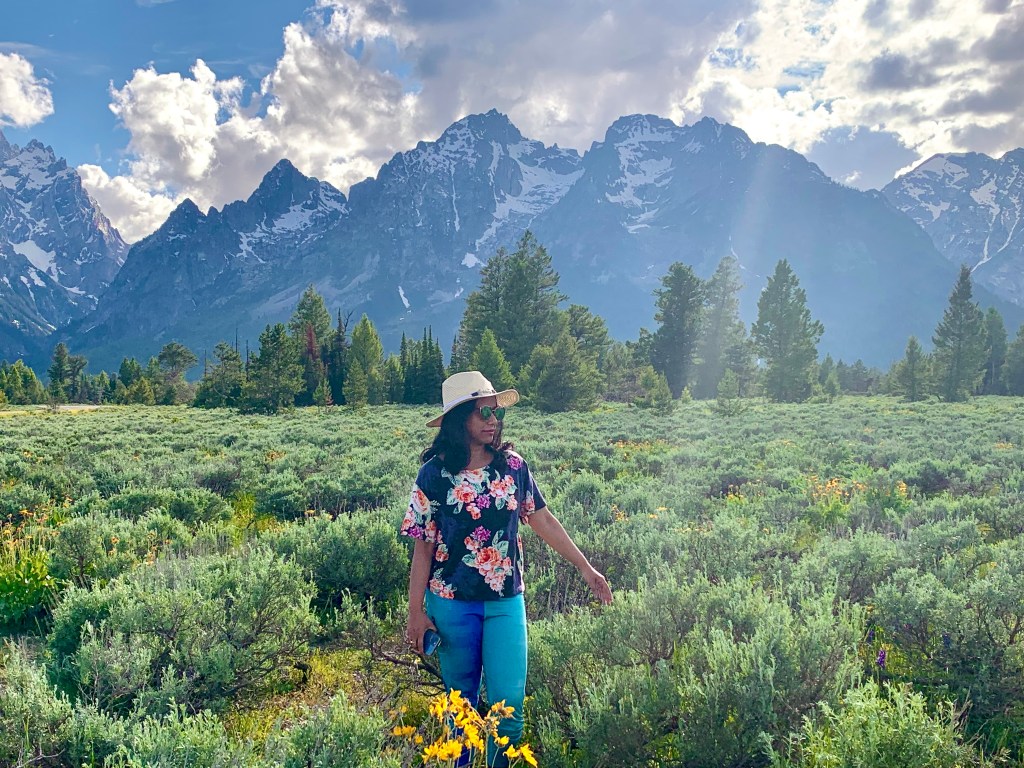
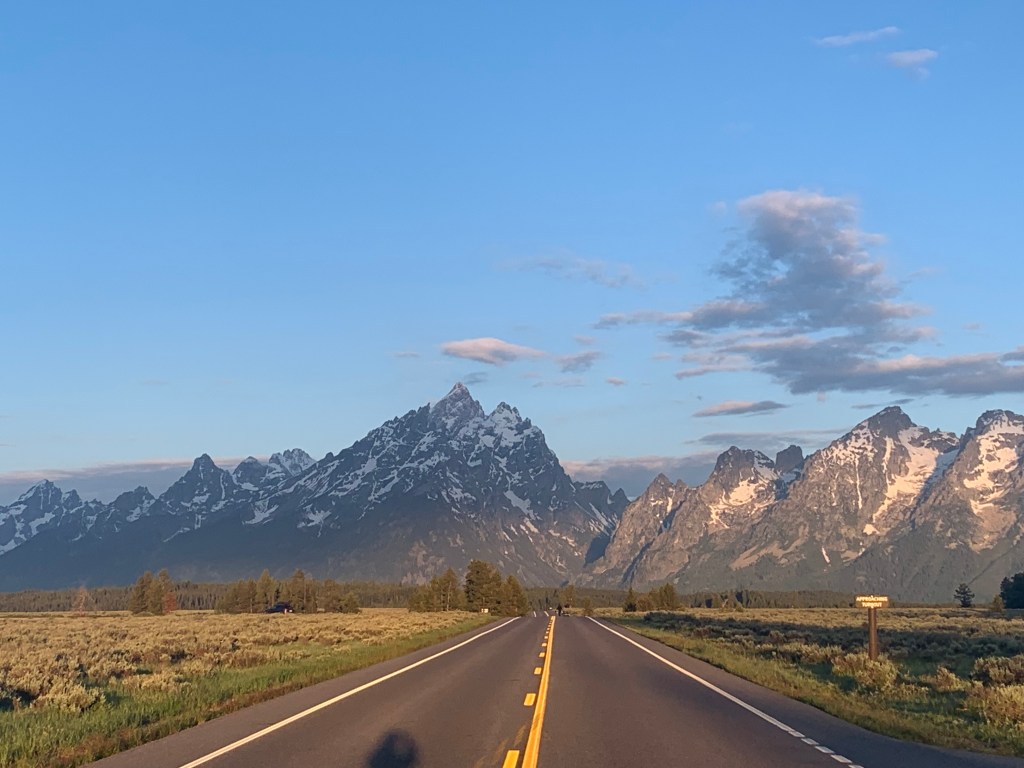
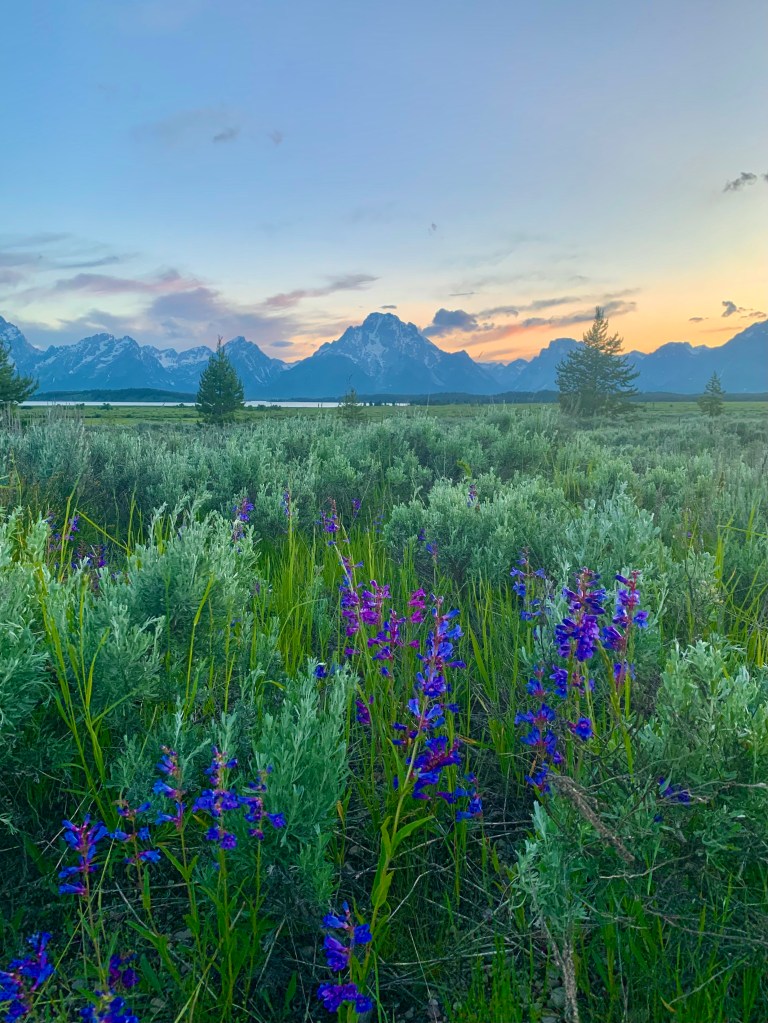
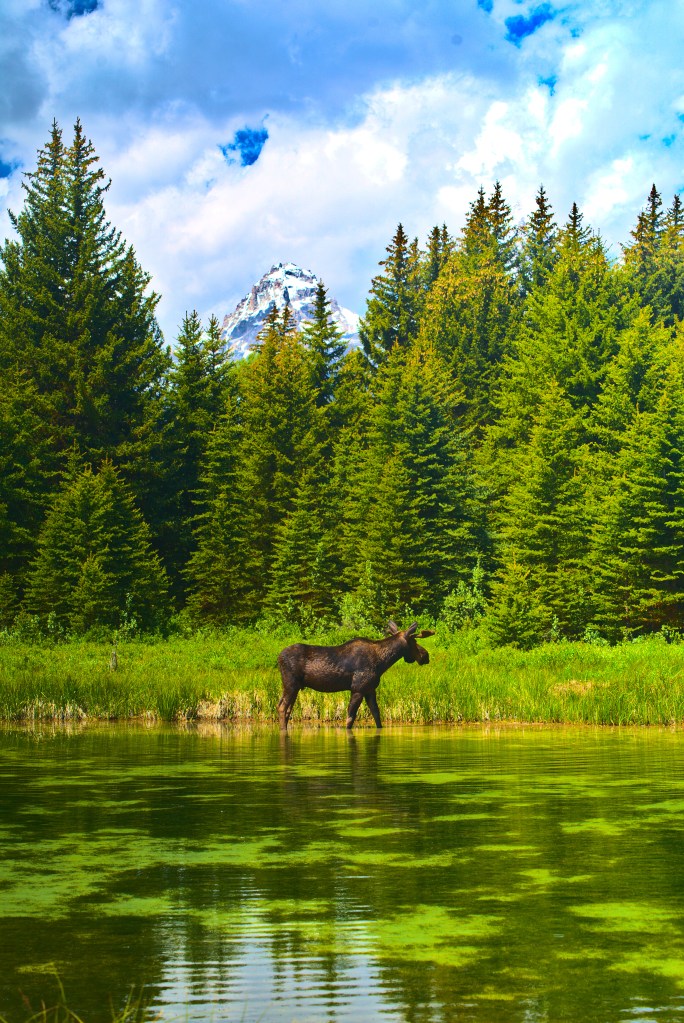
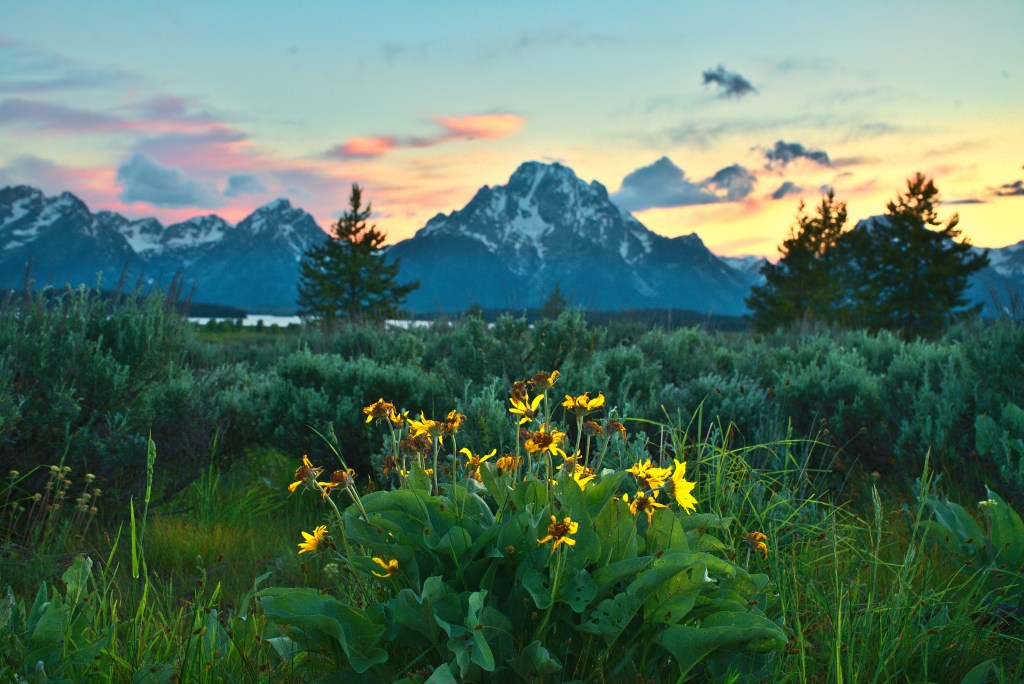
We started our day with a scenic drive along the Teton Park Road, stopping at various viewpoints to admire the breathtaking mountain landscapes and wildlife. Then we headed to the Jenny Lake Visitor Center and embark on a hike around Jenny Lake. We took the boat shuttle across the lake for easier access to the Cascade Canyon trailhead. We hiked the Cascade Canyon trail, a moderate to strenuous hike that offers stunning views of the Teton Range, alpine meadows, and the possibility of spotting wildlife such as moose and black bears. We enjoyed a relaxed evening at the Signal Mountain Lodge area. We grabbed dinner at the Lodge’s restaurant to savor the sunset views over the Teton Range.
Day 2: Nature and Wildlife of Grand Teton
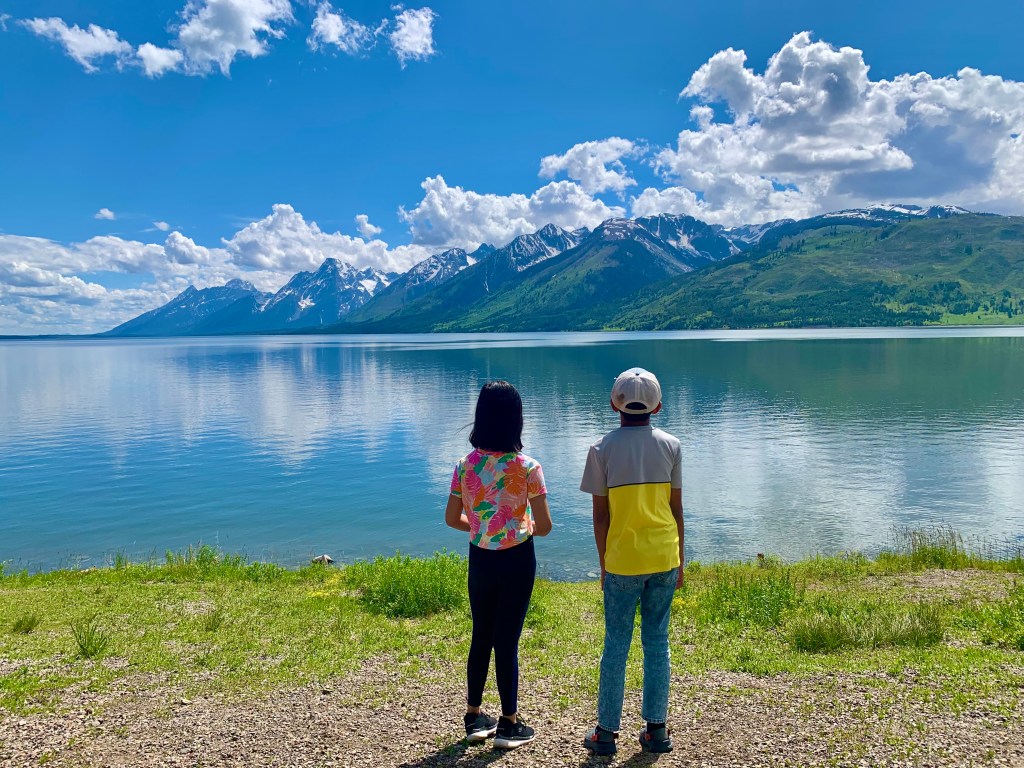
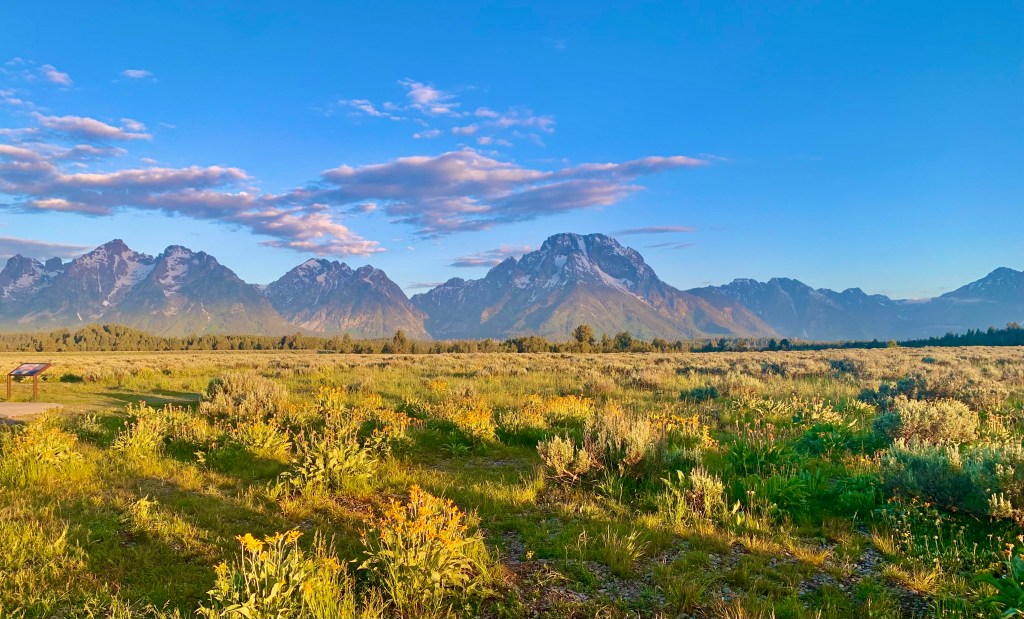
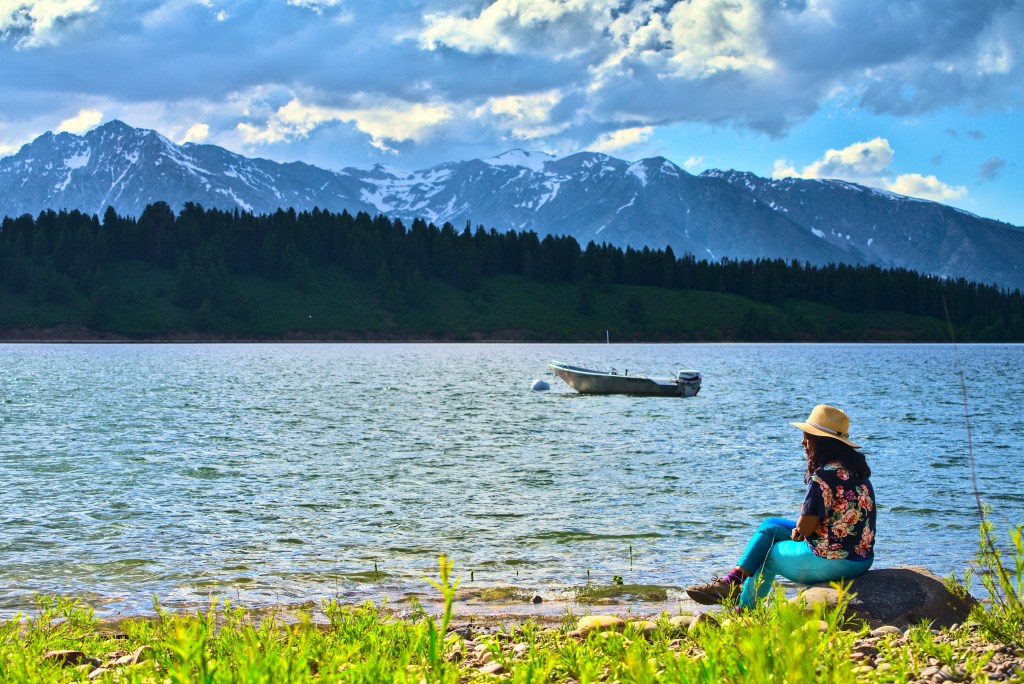
We woke up early for a wildlife spotting adventure in the Antelope Flats and Mormon Row areas. We were able to spot out iconic barns, herds of bison, elk. We then drove north to the Colter Bay Visitor Center and take a leisurely stroll along the Lakeshore Trail. This area offers stunning views of Jackson Lake and the surrounding mountains. We rented a kayak on the Snake River for a different perspective of the Tetons.
Keep in mind that Grand Teton National Park is vast and filled with endless possibilities, so feel free to customize this itinerary based on your interests and preferred activity level.
Yellowstone National Park: Where Geysers and Grizzlies Goof Around
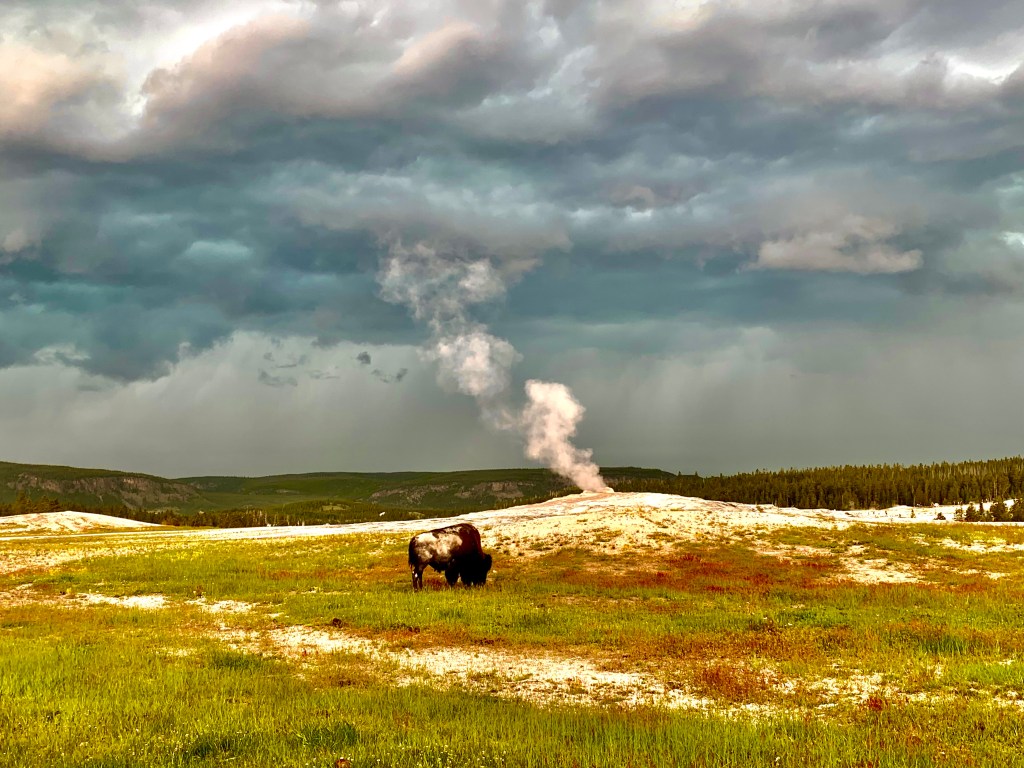
Yellowstone National Park is a breathtaking expanse of natural beauty, located primarily in the U.S. state of Wyoming, although it also extends into Montana and Idaho. Established in 1872, it holds the distinction of being the first national park in the world. With its grand canyons, alpine rivers, lush forests, and diverse wildlife, including the iconic American bison, Yellowstone offers a rich tapestry of natural wonders. The park is also home to half of the world’s geothermal features, including the famous Old Faithful geyser. Visitors to Yellowstone can explore a variety of ecosystems, from bubbling hot springs to majestic mountain ranges, ensuring a truly unforgettable experience for nature enthusiasts and adventurers alike.
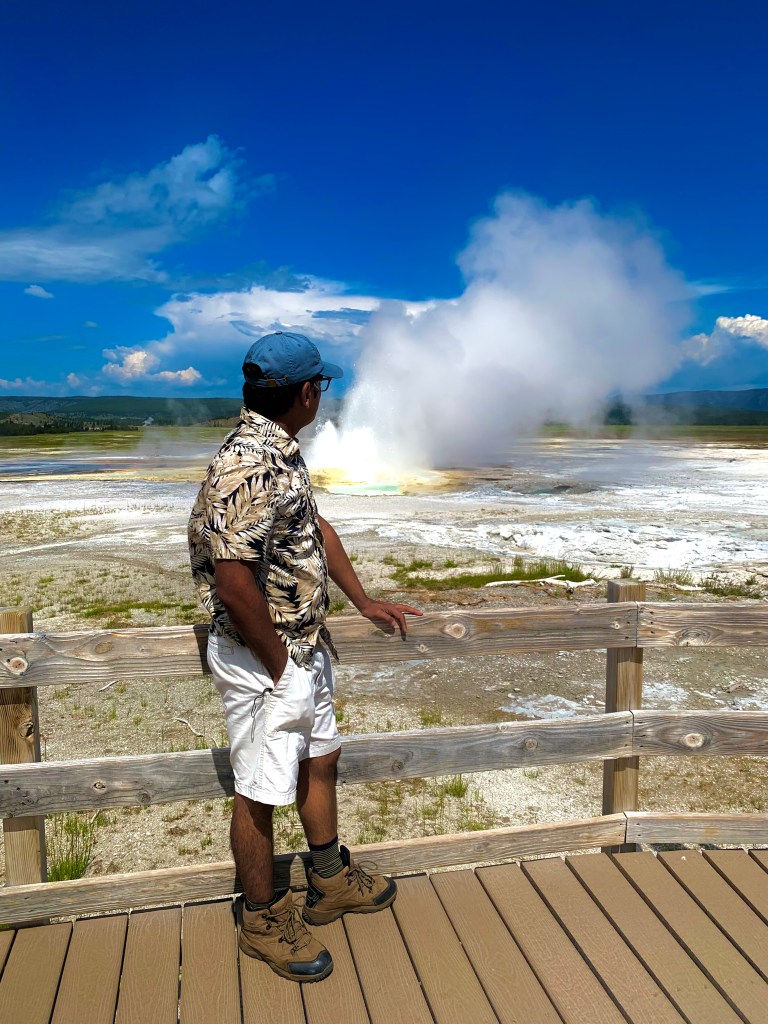
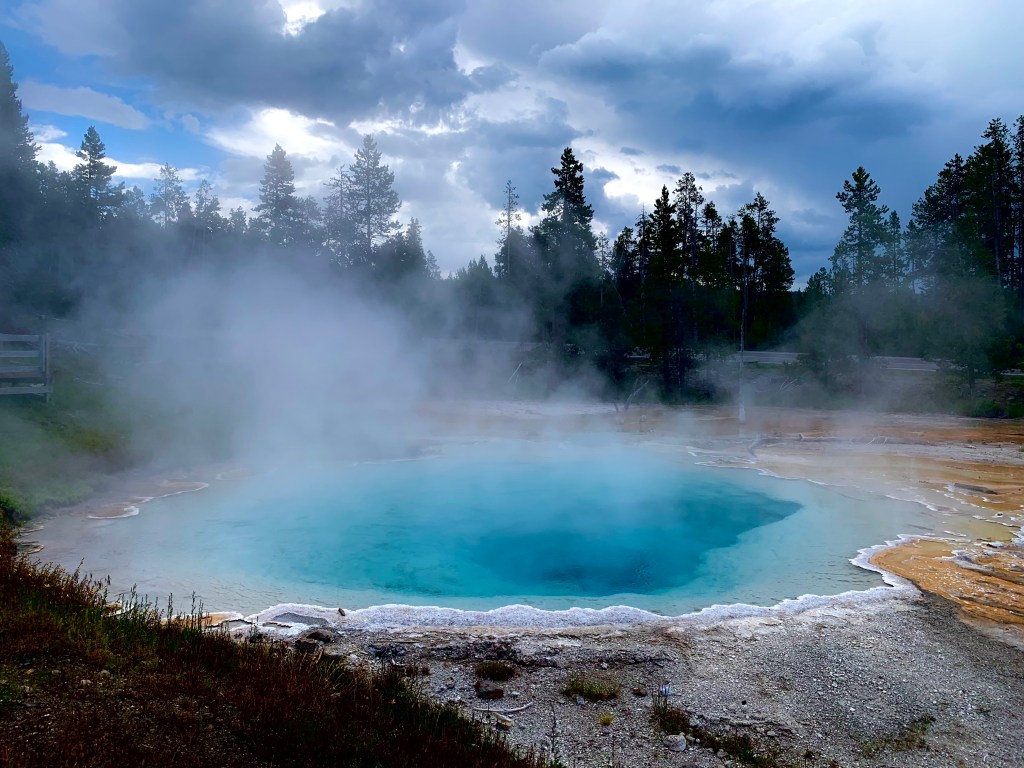
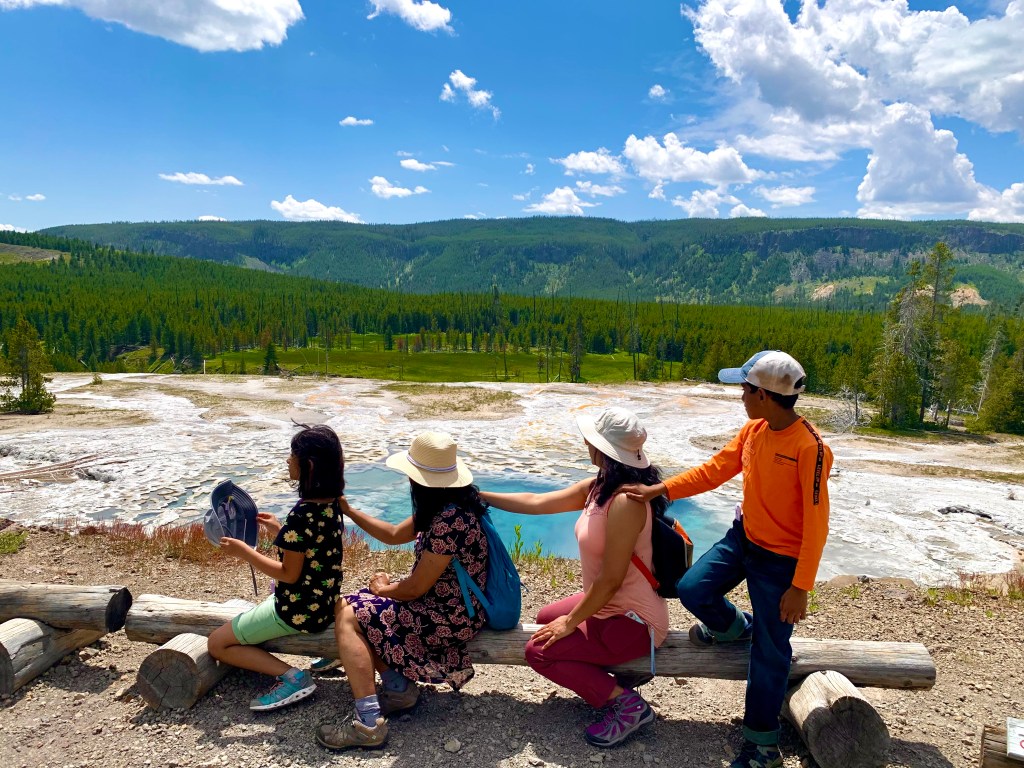
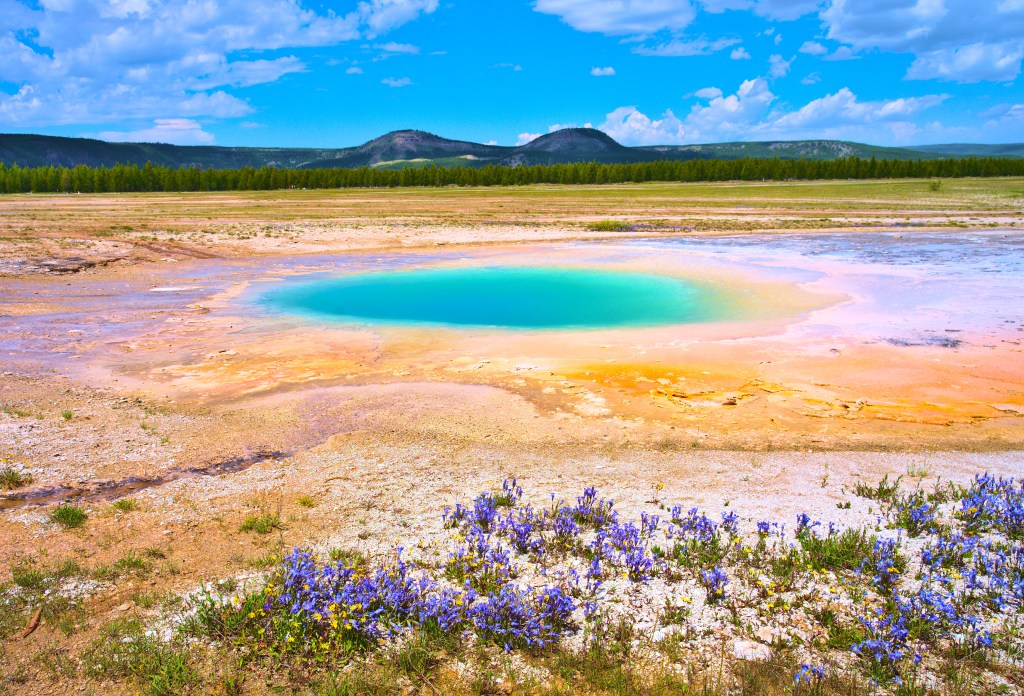
Day 1: Arrival and Upper Geyser Basin On our first day of Yellowstone adventure we headed to the Upper Geyser Basin to witness the remarkable Old Faithful geyser and explore the fascinating thermal features in the area. The Upper Geyser Basin, located in Yellowstone National Park, stands out as a remarkable testament to the Earth’s geothermal activity and natural beauty. As the largest geyser basin in the park, it is home to an impressive collection of geysers, hot springs, and fumaroles, captivating visitors with their diverse and captivating displays.
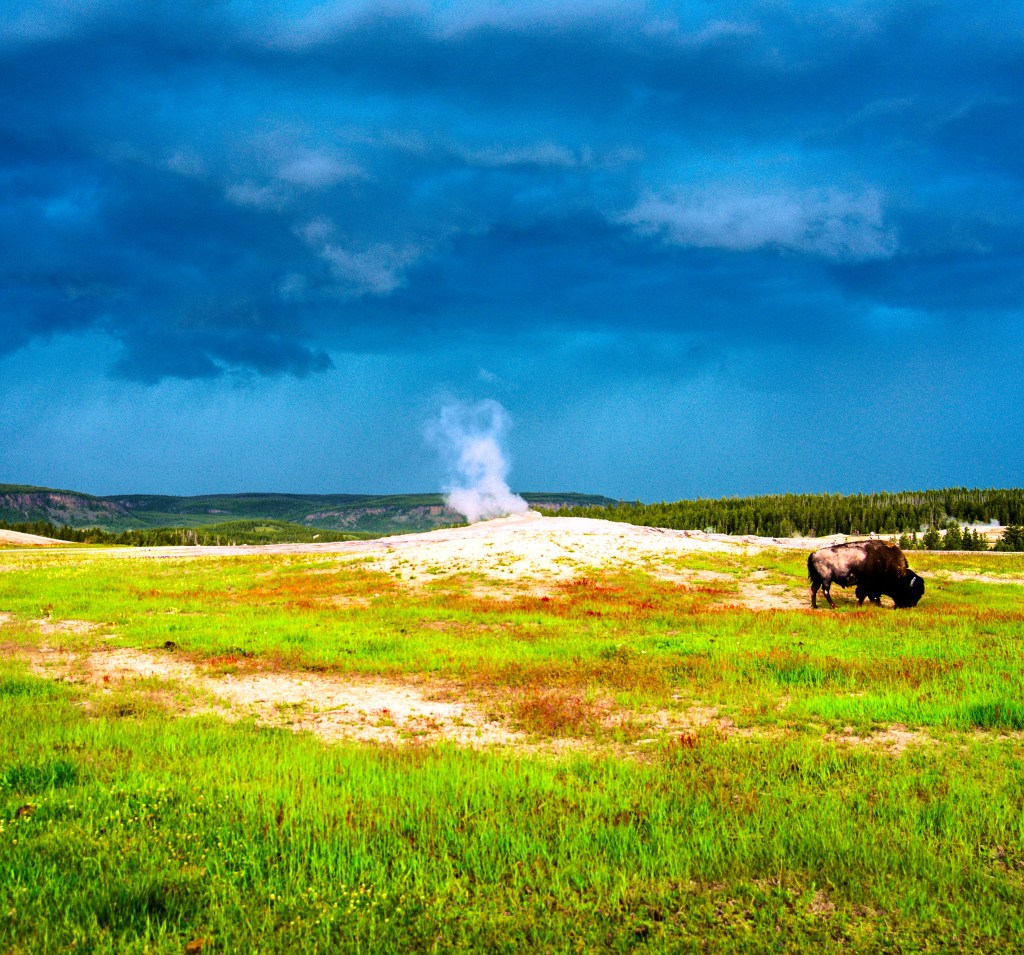
Old Faithful is a famous geyser located in Yellowstone National Park in the United States. It is renowned for its frequent and predictable eruptions, which occur approximately every 90 minutes. The geyser shoots hot water and steam high into the air, captivating visitors with its natural spectacle. The name “Old Faithful” reflects the dependable nature of its eruptions, making it a must-see attraction for park visitors.
Exploring the Upper Geyser Basin is not only an educational experience, but also a humbling one. It offers a glimpse into the intricate and beautiful tapestry of geothermal activity, impressing upon visitors the importance of conservation and the preservation of such extraordinary natural wonders for future generations to appreciate and cherish.
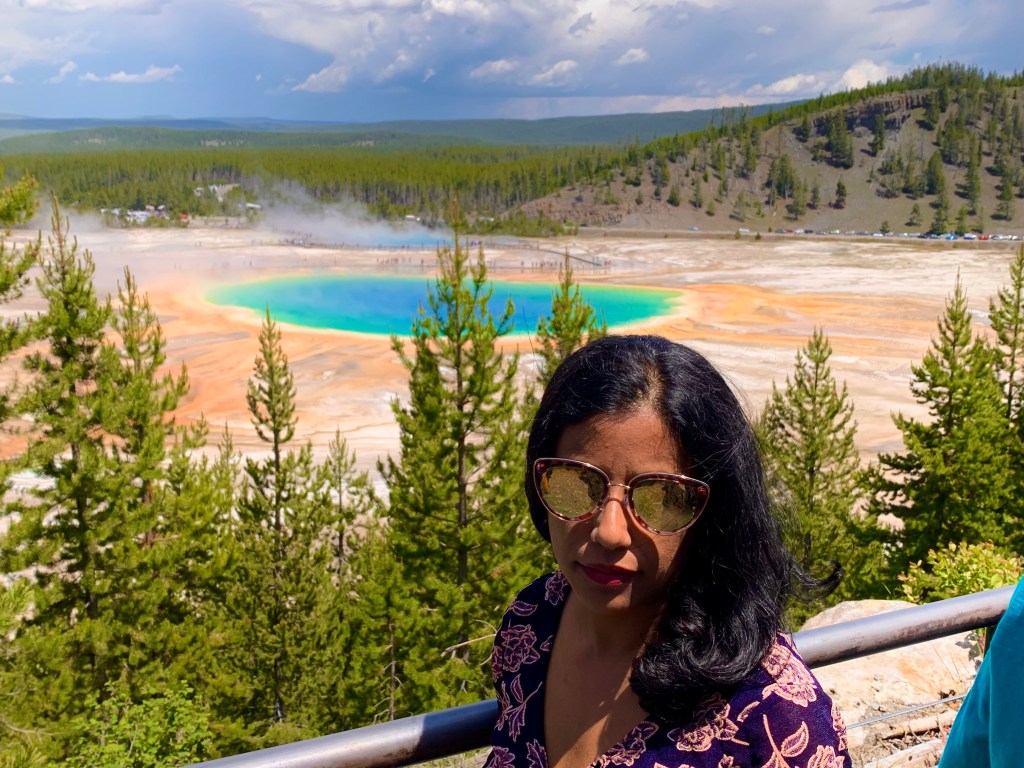
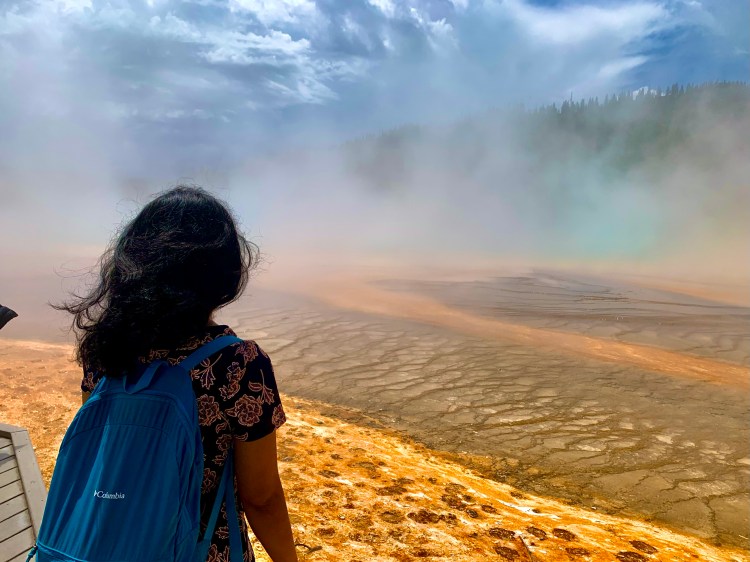
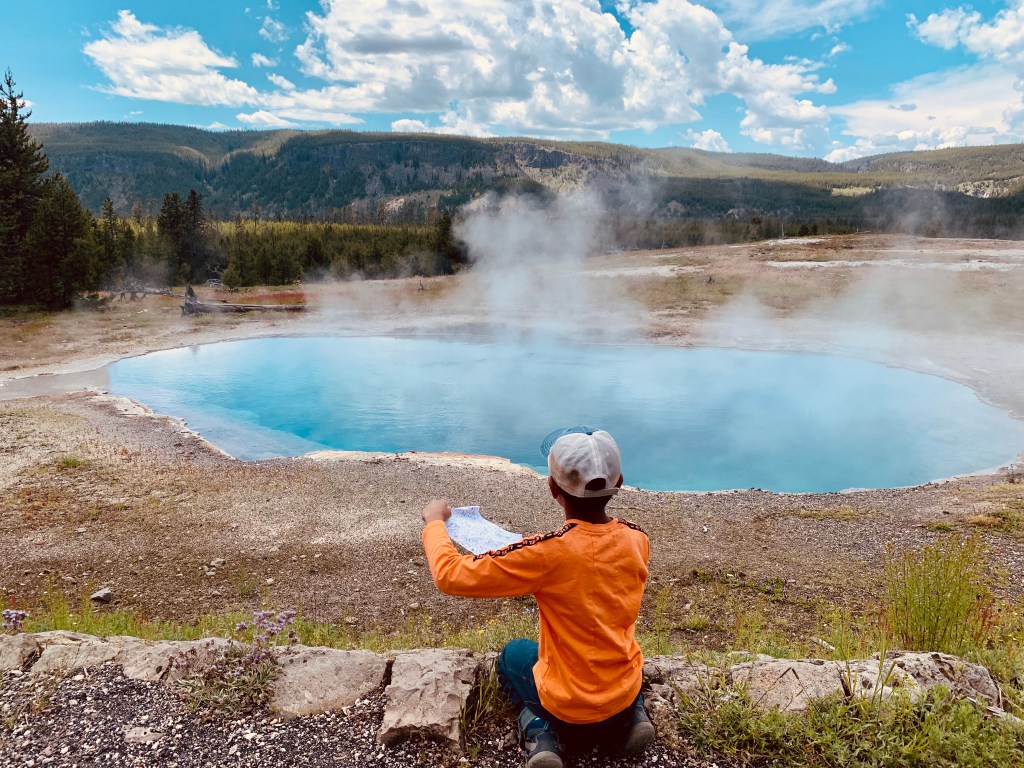
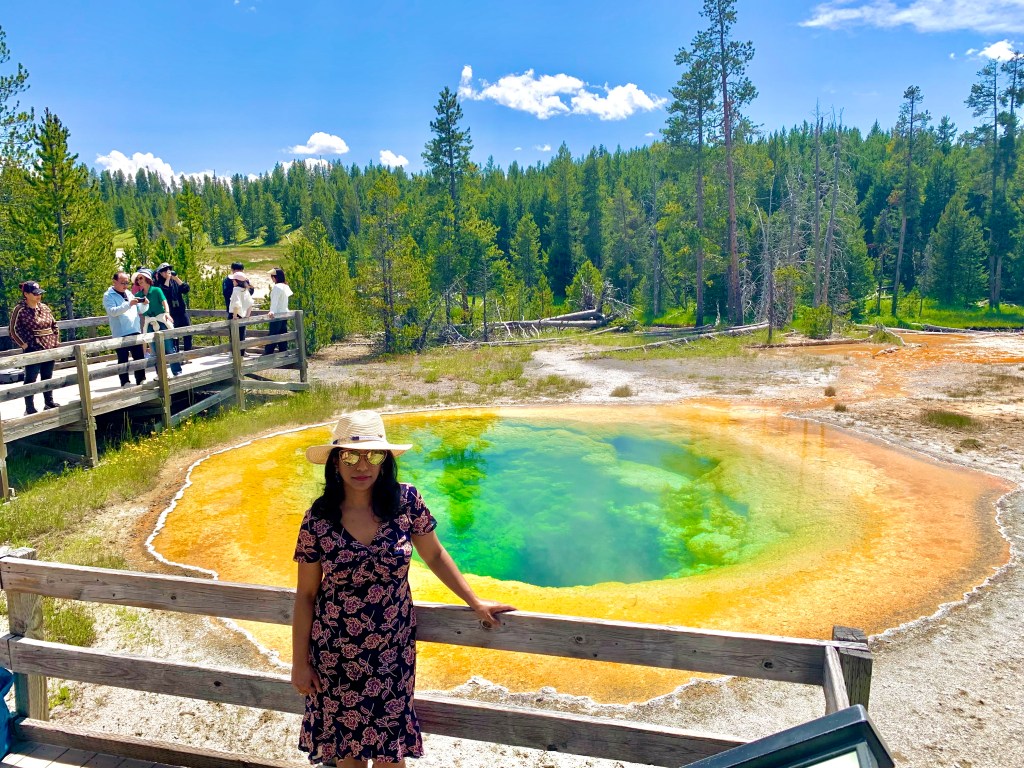
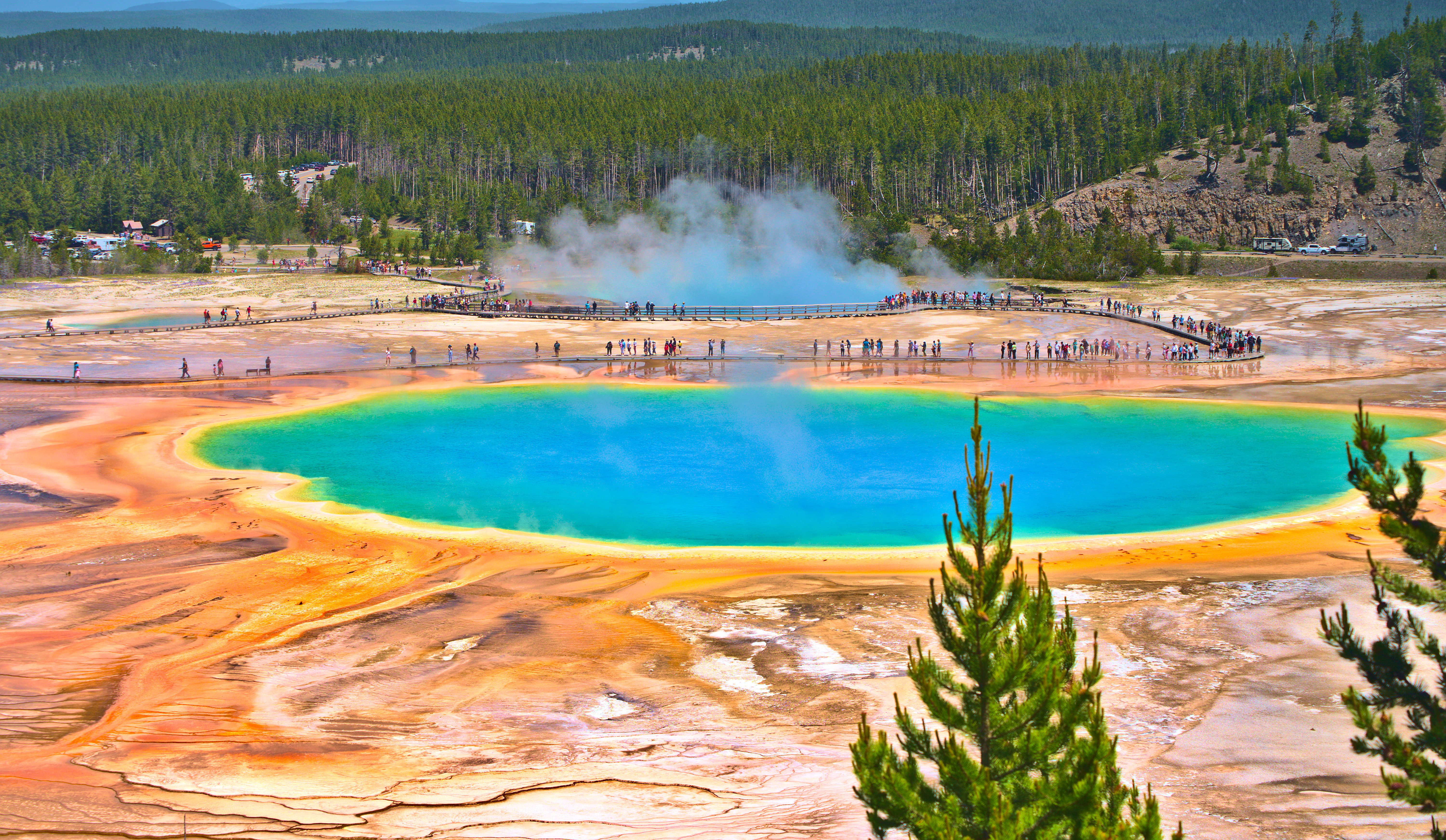
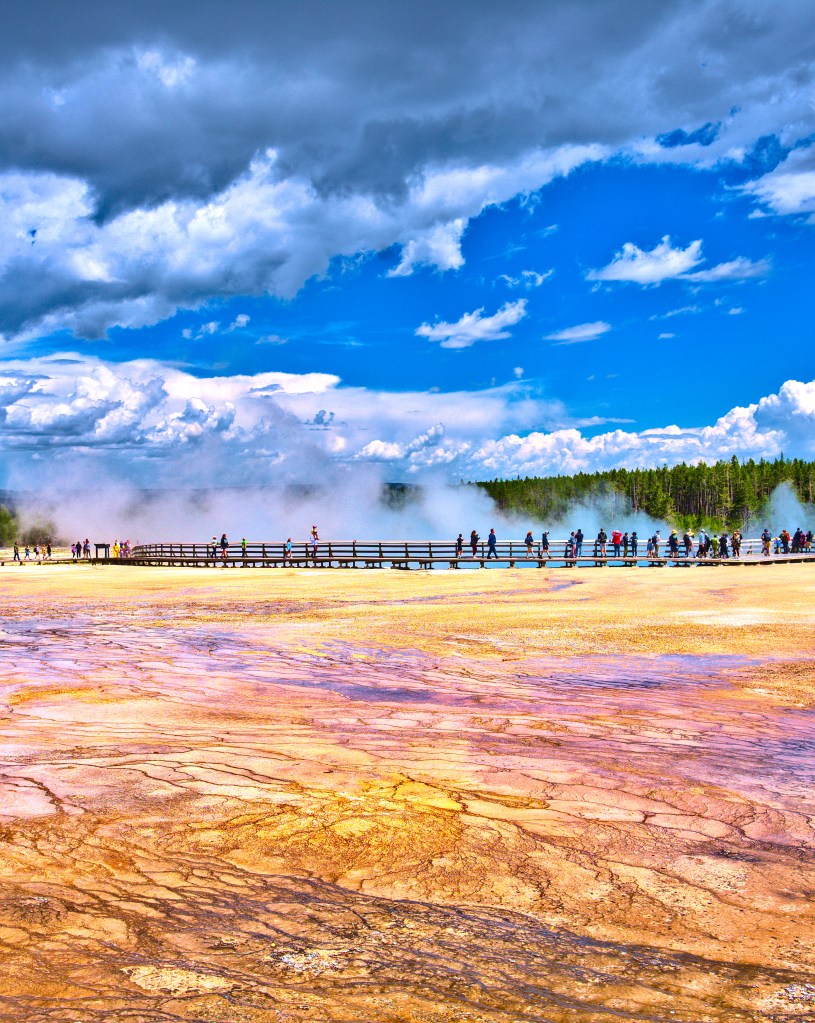
During our visit to Yellowstone National Park, we embarked on a mesmerizing tour of the Grand Prismatic Spring. Led by experienced guides, the tour provided us with in-depth knowledge about the spring’s formation, the diverse microbial life thriving in its vibrant waters, and the ecological significance of this remarkable natural wonder. As we explored the area, we were captivated by the brilliant colors of the spring, learning about the geological processes that contribute to its unique appearance. The tour proved to be both educational and visually stunning, allowing us to gain a profound appreciation for the captivating beauty and scientific marvels of the Grand Prismatic Spring.
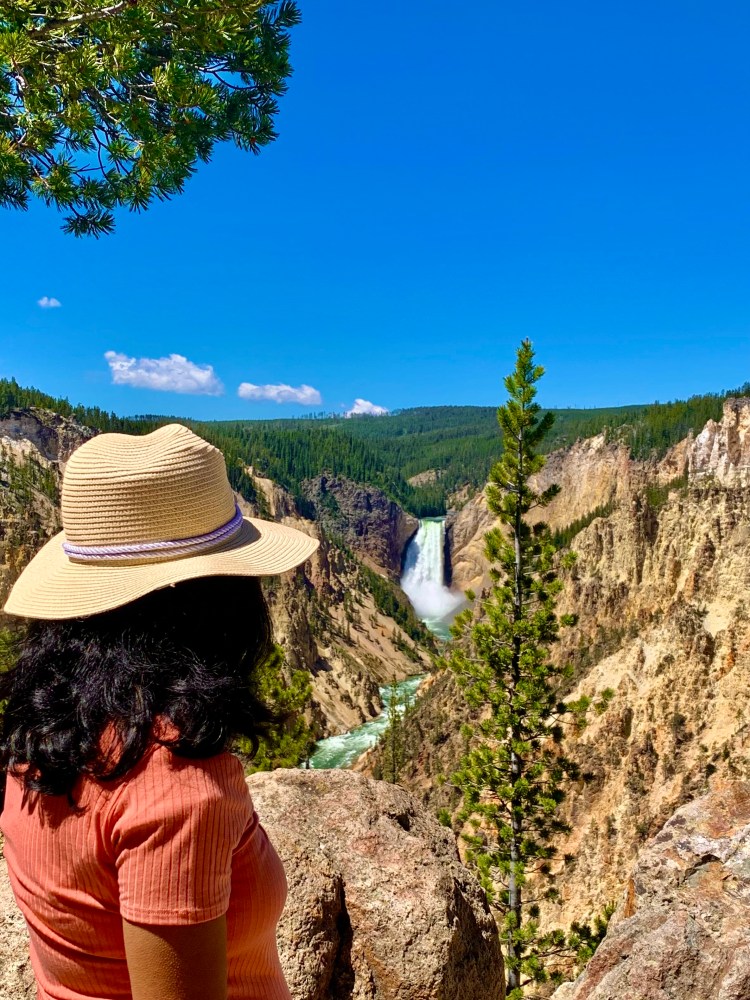
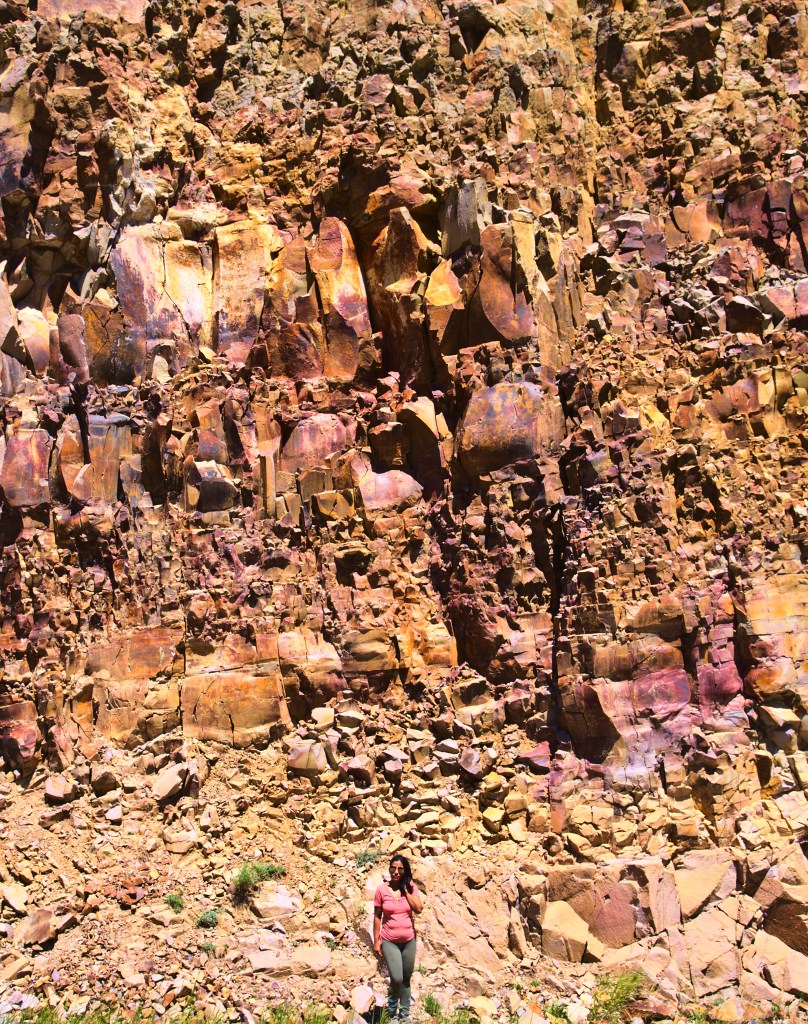
Day 2: Grand Canyon of the Yellowstone and Hayden Valley On our second day of Yellowstone adventure we headed to The Grand Canyon of the Yellowstone. Located within Yellowstone National Park, it is a true testament to the forces of nature and the beauty they can create. Carved over thousands of years by the relentless power of the Yellowstone River, this stunning canyon showcases the raw and captivating beauty of the natural world. The vibrant hues of the canyon walls offer a visual timeline of the area’s geological history, with shades of ochre, rust, and gold blending together in a breathtaking display. As the canyon winds its way through the park, visitors are treated to numerous vantage points from which to admire its grandeur, each offering a unique perspective of this ancient masterpiece.
One of the most iconic features of the Grand Canyon of the Yellowstone is the majestic Lower Falls. Plummeting dramatically into the canyon below, the falls create a mesmerizing display of cascading water and mist, evoking a sense of awe and wonder in all who behold them. The viewing platforms located at various points along the rim provide unparalleled vistas of this natural spectacle, making it a must-see for anyone visiting the park.
Later in the day we drove to Hayden Valley which is a picturesque valley in Yellowstone National Park. This expansive valley is renowned for its breathtaking natural beauty and abundant wildlife. Visitors often flock to Hayden Valley for the opportunity to observe diverse species of wildlife, including bison, grizzly bears, and various bird species. If you have the chance to visit Hayden Valley, be sure to bring your binoculars and camera to capture the stunning scenery and wildlife that make this region truly exceptional.
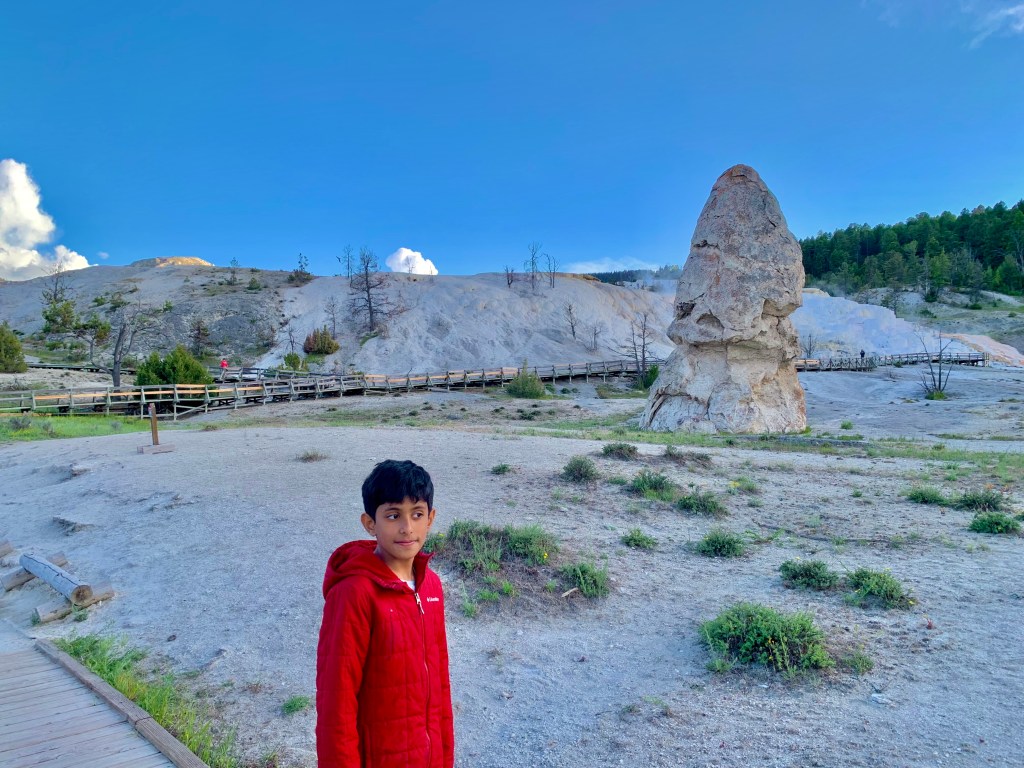
Day 3: Lamar Valley and Mammoth Hot Springs On Day 3 we headed towards the south of the park for Mammoth Hot Springs. As I step into the captivating realm of Mammoth Hot Springs within Yellowstone National Park, I am immediately drawn into a mesmerizing world unlike any other. The vast expanse of this geothermal marvel unfolds before me, revealing a complex network of hot springs that have intricately crafted striking terraces of vibrant hues over the course of thousands of years. As I meander along the well-crafted wooden boardwalks that guide visitors through this otherworldly landscape, the ongoing transformation of the terraces becomes apparent, as if nature itself is putting on a show just for me. I find myself enveloped in billowing steam, surrounded by the rugged beauty of the surroundings, and seemingly transported to a place that defies ordinary description. Mammoth Hot Springs, with its ever-evolving palette of colors, exudes an almost surreal charm, leaving an indelible impression on me as I become part of this breathtaking creation in real time.
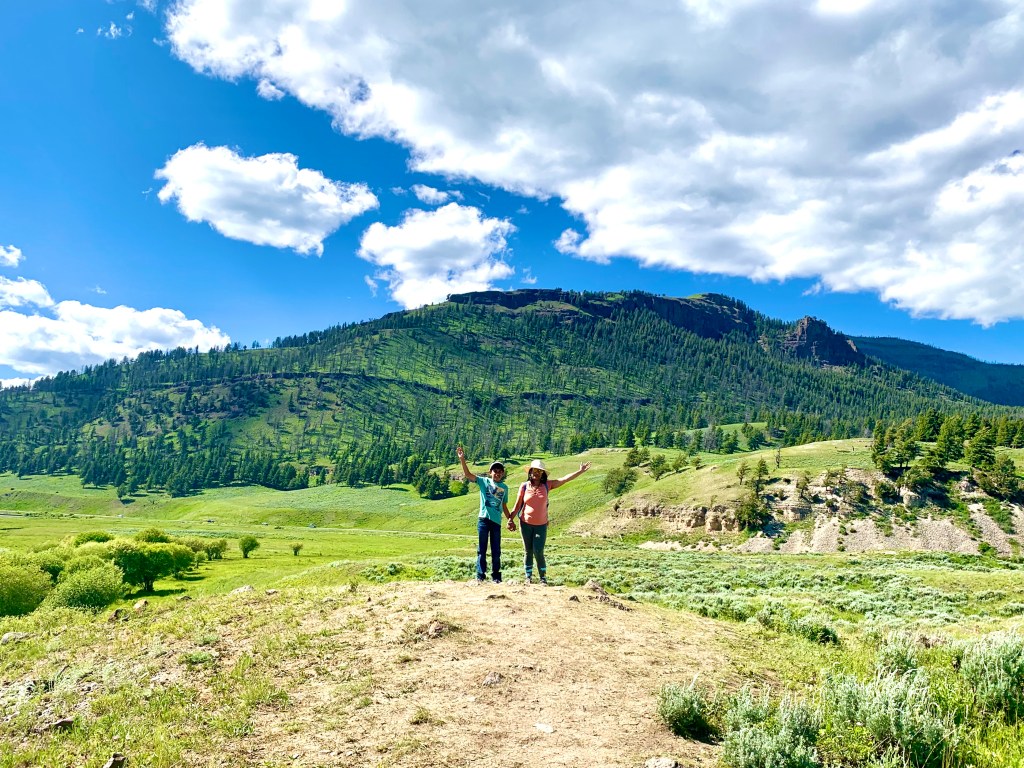
Later in the day we ventured into the northeastern reaches of Yellowstone National Park and I find myself immersed in the breathtaking expanse of Lamar Valley, often hailed as the “Serengeti of North America.” The tranquil beauty and unspoiled wilderness that envelops me are truly exceptional – from the undulating hills and lush meadows to the sinuous river that winds through this timeless landscape. This sanctuary not only captivates with its scenic grandeur but also stands as a vital habitat for an astonishing variety of wildlife. As I journey through this fabled valley, I am filled with anticipation, knowing that each moment holds the potential for extraordinary wildlife encounters. The sight of majestic bison roaming across the valley, the graceful presence of elk, and the thrill of possibly glimpsing elusive predators like wolves and grizzly bears, all contribute to the allure of this pristine realm. In Lamar Valley, every sunrise and moonlit night promises the chance for unforgettable experiences and a profound connection to the untamed magnificence of the natural world.
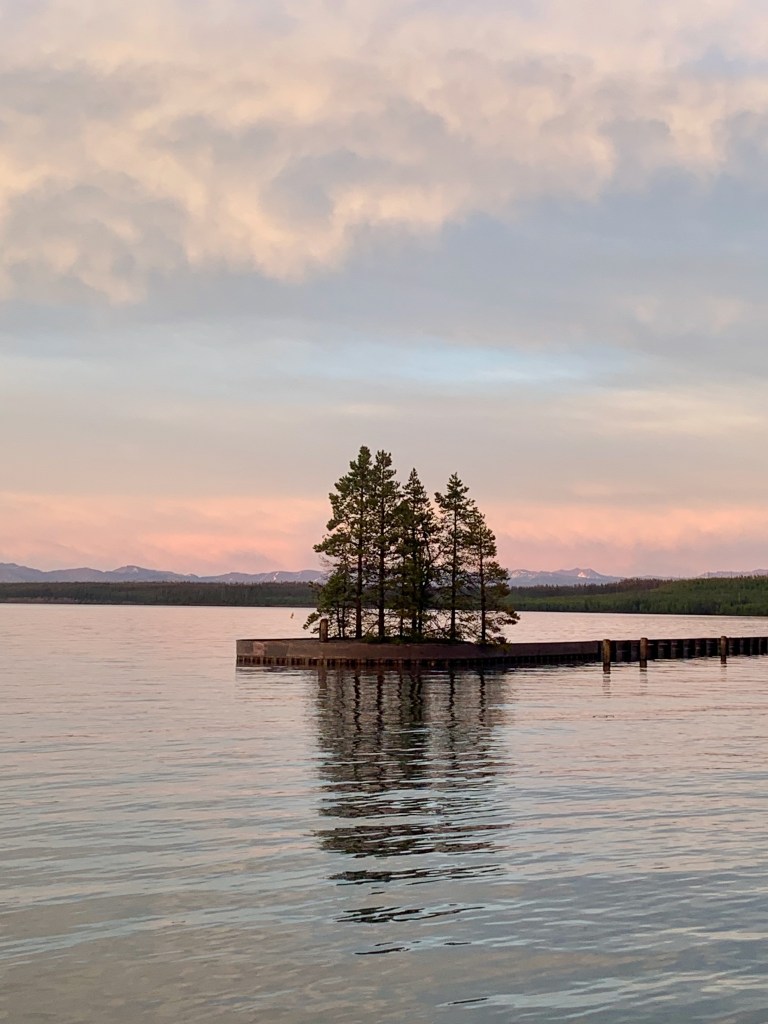
Day 4: Yellowstone Lake and Fishing Bridge As we embarked on the journey to Yellowstone Lake on day 4, we found ourselves immersed in the awe-inspiring expanse of Yellowstone National Park. The sheer grandeur of this natural wonder unfolded before us as we set my sights on one of the largest high-altitude lakes in North America. Stretching across approximately 136 square miles, with over 100 miles of picturesque shoreline, the lake’s pristine beauty beckons me to explore its captivating surroundings. Setting out on the well-maintained trails that wind through the picturesque landscape, we embarked on a journey of discovery. Each step brought us closer to breathtaking scenic overlooks, captivating geothermal features, and secluded stretches of the lakeshore, revealing the raw beauty of my surroundings.
Later in the day we made our way to the Fishing Bridge. It is a historic site located in Yellowstone National Park, specifically spanning the Yellowstone River where it flows out of Yellowstone Lake. The area is renowned for its significance in the park’s history and its continued allure for visitors. Amidst our fishing endeavors, we were delighted by the enchanting presence of various wildlife species frequenting the nearby meadows. Immersing ourselves in the opportunity to observe and photograph these graceful inhabitants, we felt a deep sense of reverence for the diverse and vibrant ecosystem that thrives within Yellowstone National Park.
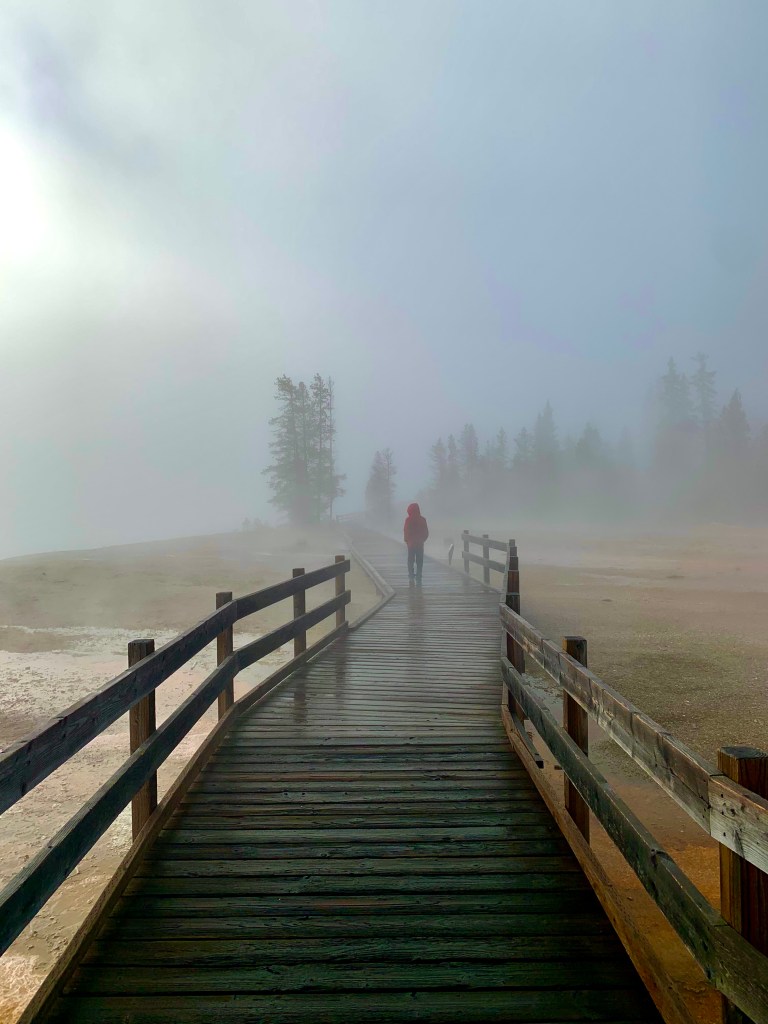
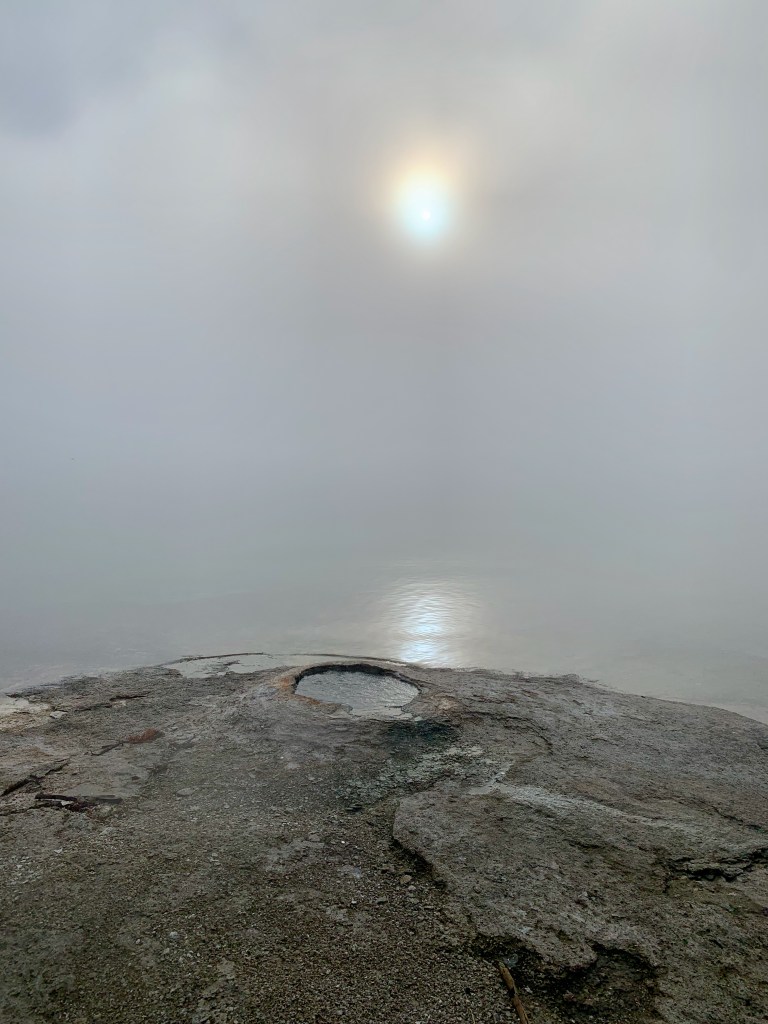
Day 5: Norris Geyser Basin and Departure The Norris Geyser Basin, nestled within the boundaries of Yellowstone National Park in the United States, stands as a testament to the remarkable forces of geothermal activity. This vibrant thermal area is celebrated for its impressive array of steam vents, geysers, and vivid hot springs, forming a landscape that seems almost surreal. We took a leisurely stroll along the boardwalks to admire the mesmerizing array of colorful hot springs, showcasing vibrant hues created by thermophiles, microorganisms that thrive in the extreme conditions. We didn’t miss the opportunity to witness the magnificent eruptions of geysers such as Steamboat Geyser, which holds the title for the world’s tallest active geyser, and other impressive hydrothermal features.
We marveled at the striking beauty of the Porcelain Basin, known for its unique and striking thermal features that contribute to the basin’s distinctive and mesmerizing allure
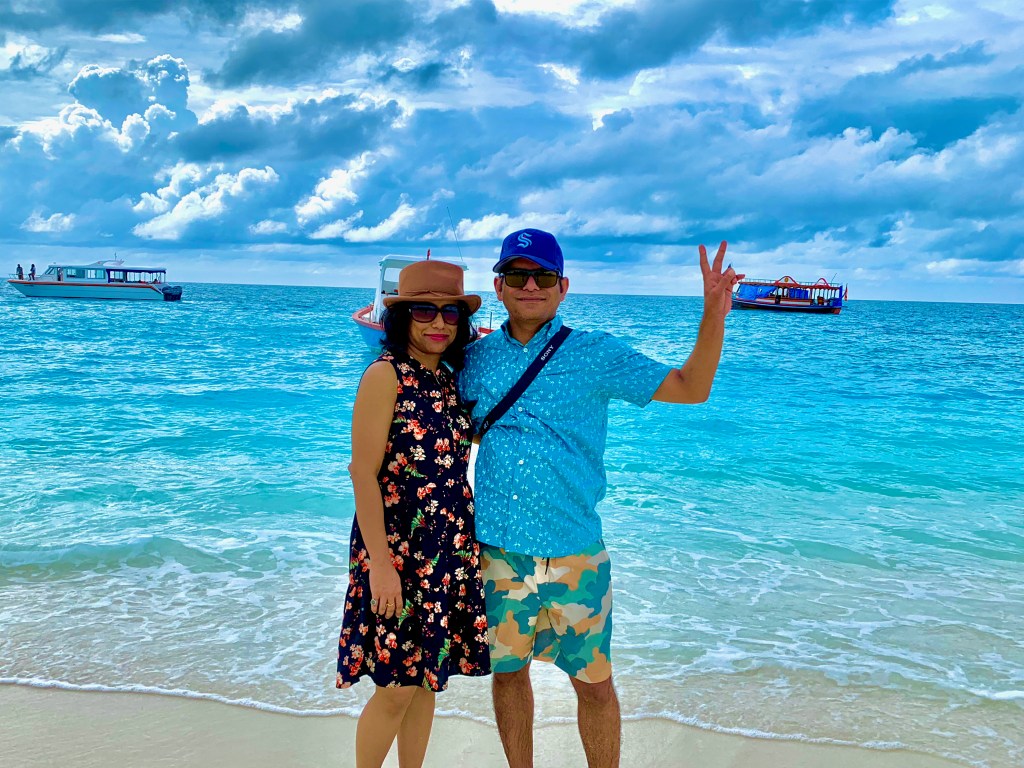
The Maldives! An archipelago of over a thousand coral islands grouped into 26 atolls, scattered across the Indian Ocean like pearls. It’s renowned for its stunning turquoise waters, white sandy beaches, and vibrant marine life. While public islands may not offer the same level of luxury resorts and amenities as private islands, they provide insight into local Maldivian life, culture, and traditions. Private islands in the Maldives are owned by individuals, companies, or resort operators. They are primarily developed for tourism purposes, offering exclusive accommodations, beaches, and amenities. In this blog we’ll share our experience in visiting a public island named Maafusi and private resort island named Sun Siyam Olhuveli.
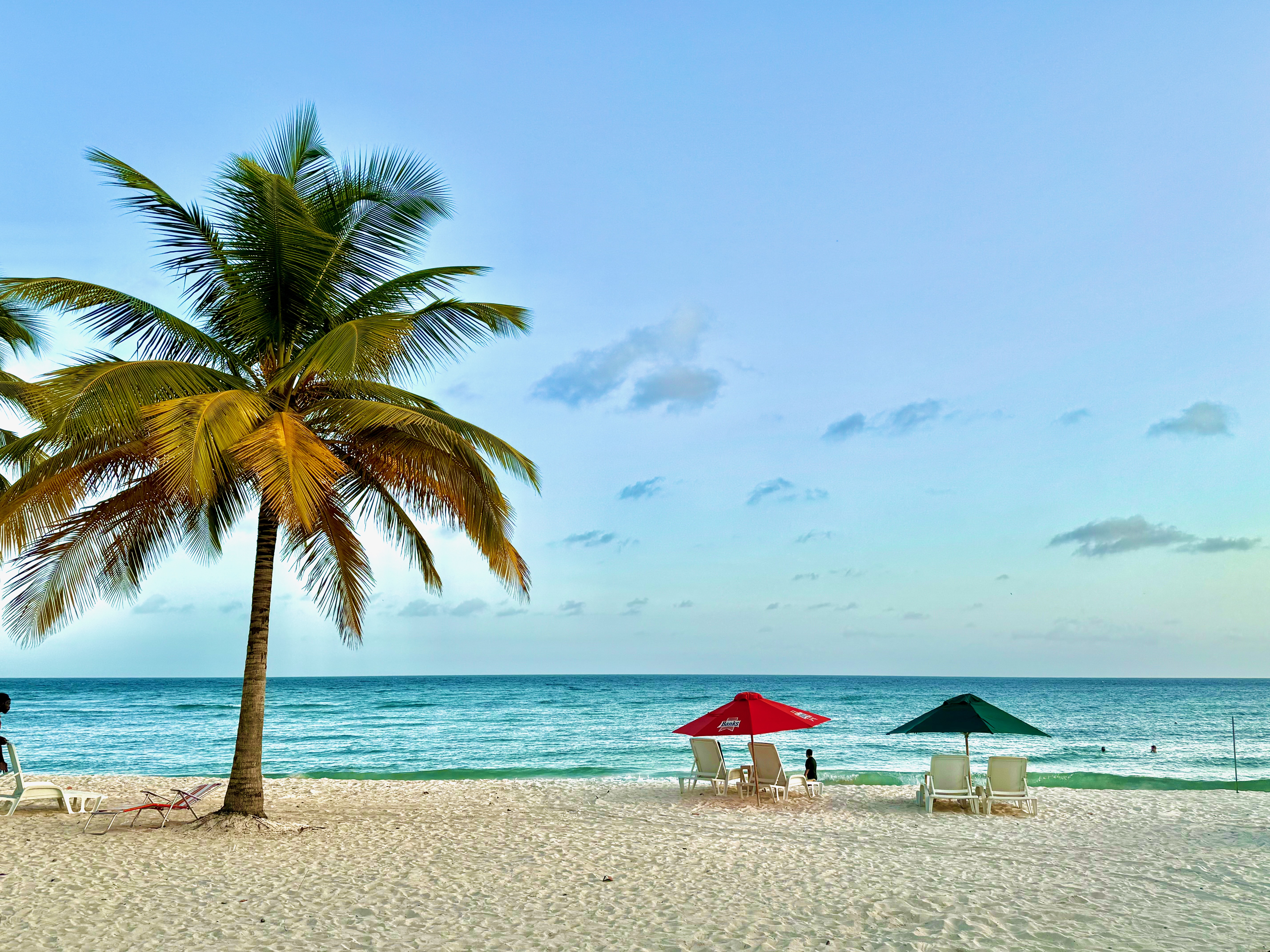
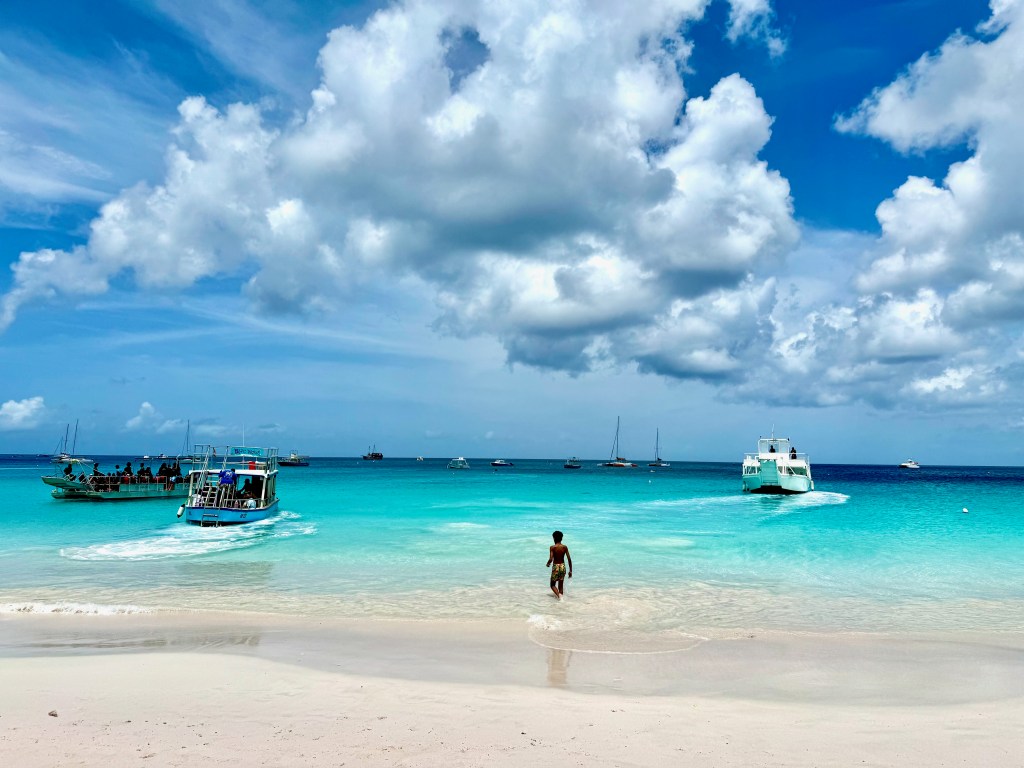
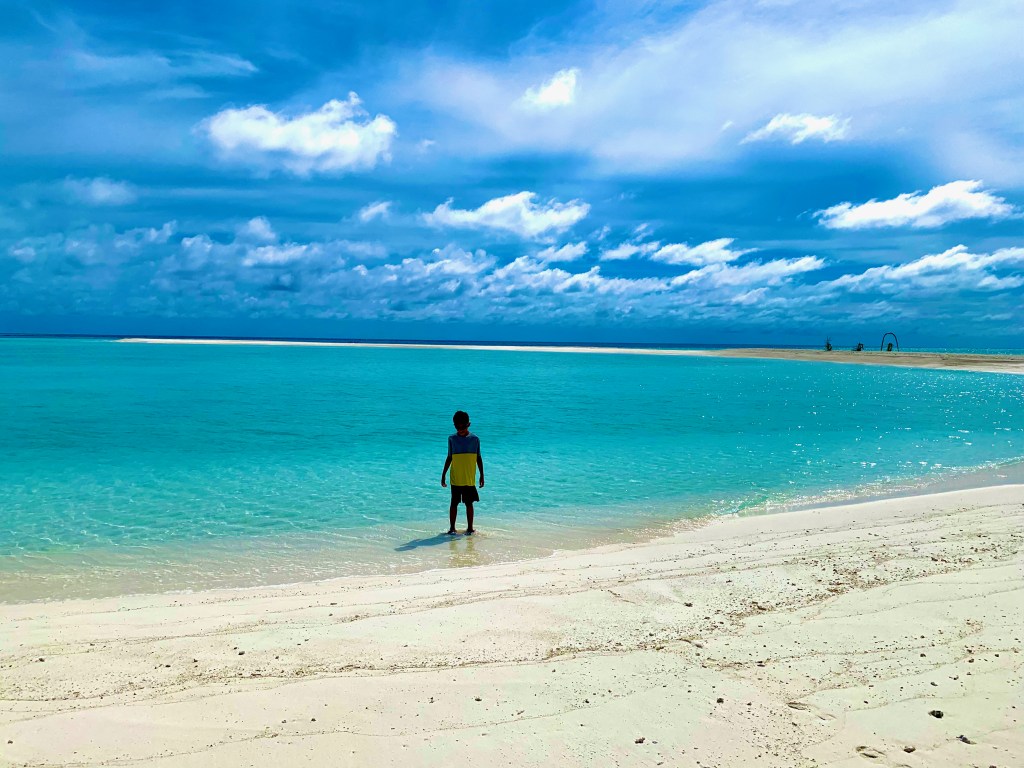
After reaching Male airport we headed to visit a public island nearby named Maafushi Island. It’s easily accessible from the Maldives’ capital city, Malé, by speedboat or public ferry. The journey typically takes around 30-45 minutes by speedboat and a couple of hours by ferry. With its pristine white sandy beaches and crystal-clear turquoise waters, Maafushi offers a perfect tropical getaway.
Visitors can indulge in a range of water sports, from snorkeling and scuba diving to dolphin watching. The island also features local guesthouses, providing an authentic experience for those seeking to immerse themselves in the Maldivian culture. Furthermore, Maafushi boasts a variety of dining options, from traditional Maldivian cuisine to international dishes. Whether it’s relaxation or adventure, Maafushi Island has something to offer to every traveler.
We spent 3 days in Maafushi island. Here is our itinerary of Maafushi island visit.
Day 1: Arrival and Beach Time
Morning: After arriving in Maafushi, we checked into your accommodation. We spent the morning relaxing on the beautiful beaches and enjoying the crystal-clear waters.
Afternoon: We explored the island on foot. We discovered local cafes and restaurants for a taste of the Maldivian cuisine.
Day 2: Water Adventures
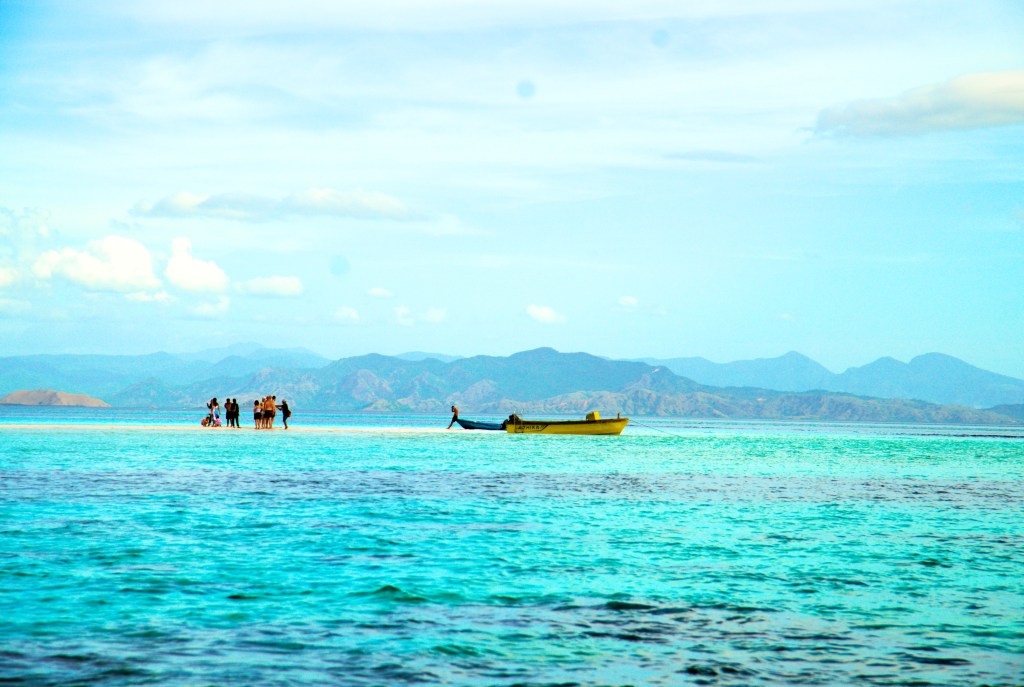
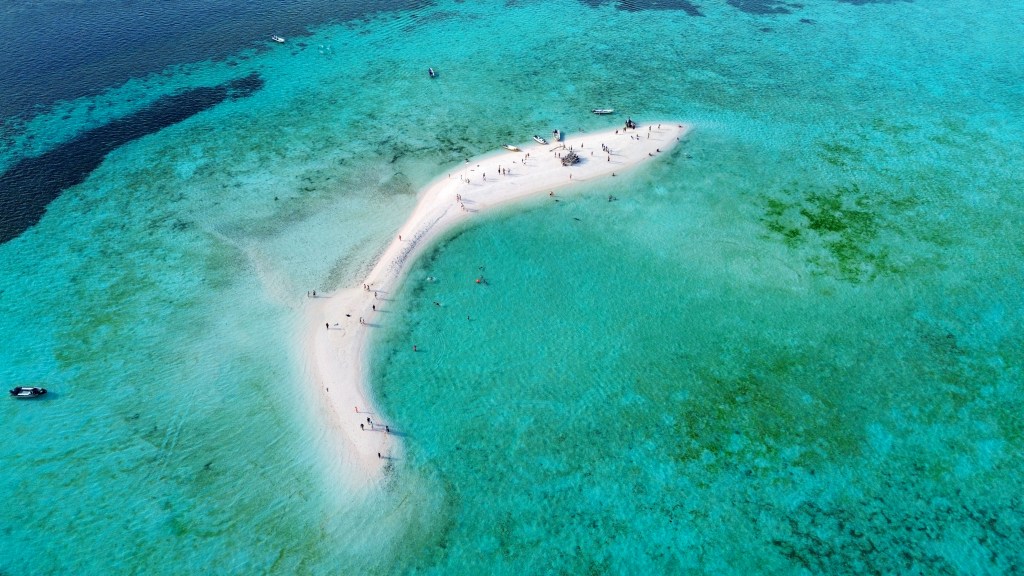
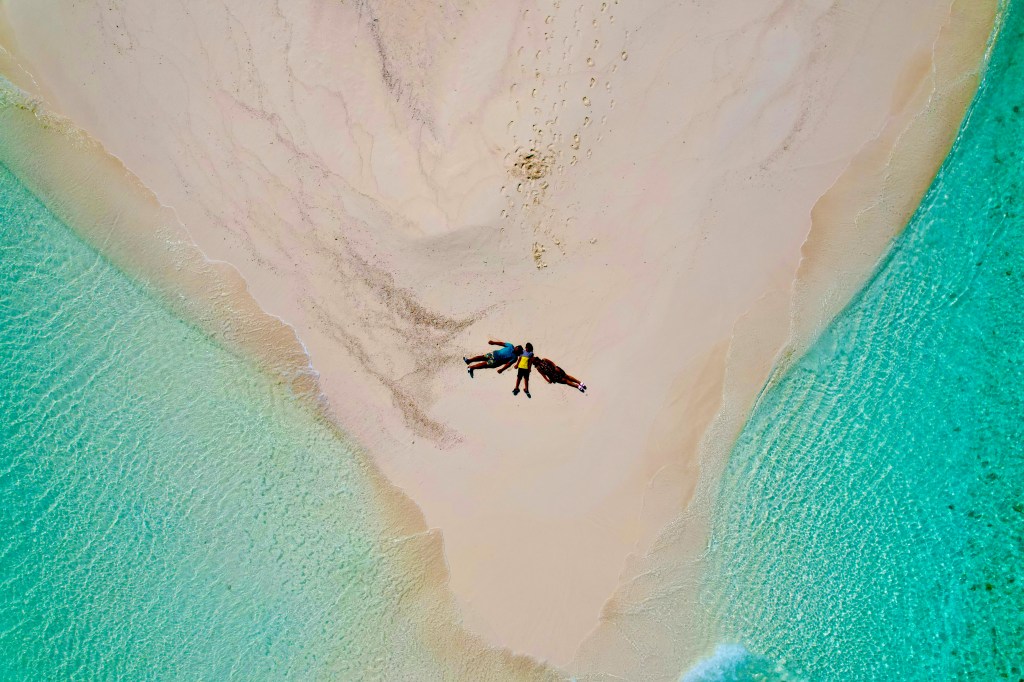
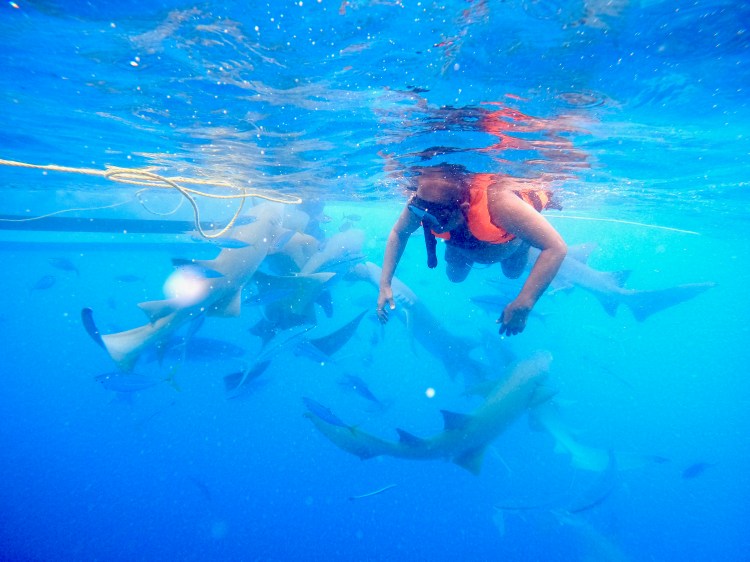
We embarked on a snorkeling excursion to explore the mesmerizing underwater world of the Maldives. There are plenty of tour operators who offer half day and full day tours. They provide the snorkeling gears also. The took us to white sand islands for drone photography. We also go a chance to swim with nurse sharks.
Day 5: Departure
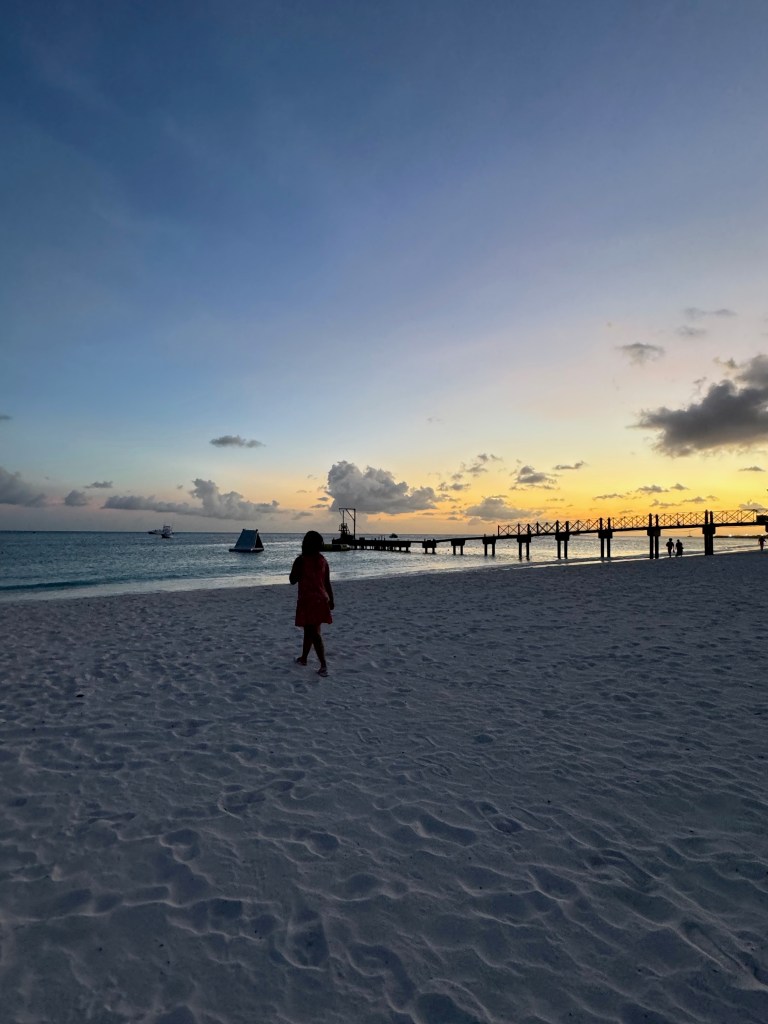
We enjoyed a final sunrise on the beach and take in the serene surroundings of Maafushi. We checked out from your accommodation and depart from Maafushi with beautiful memories.
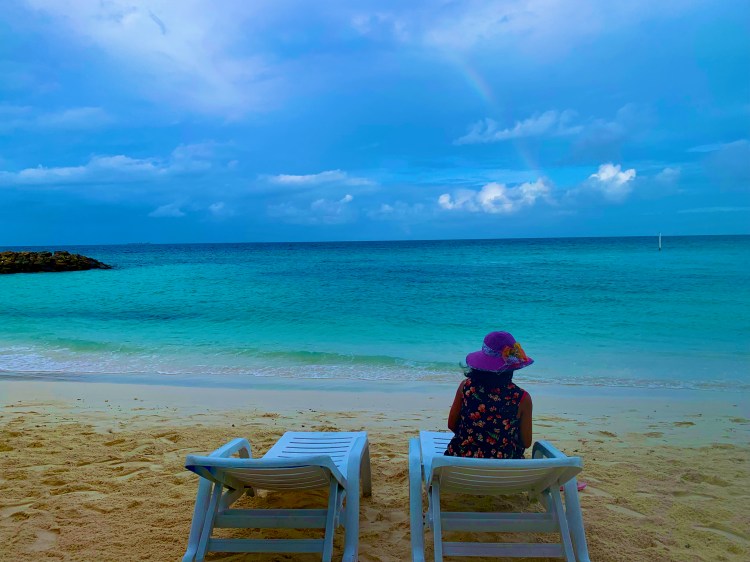
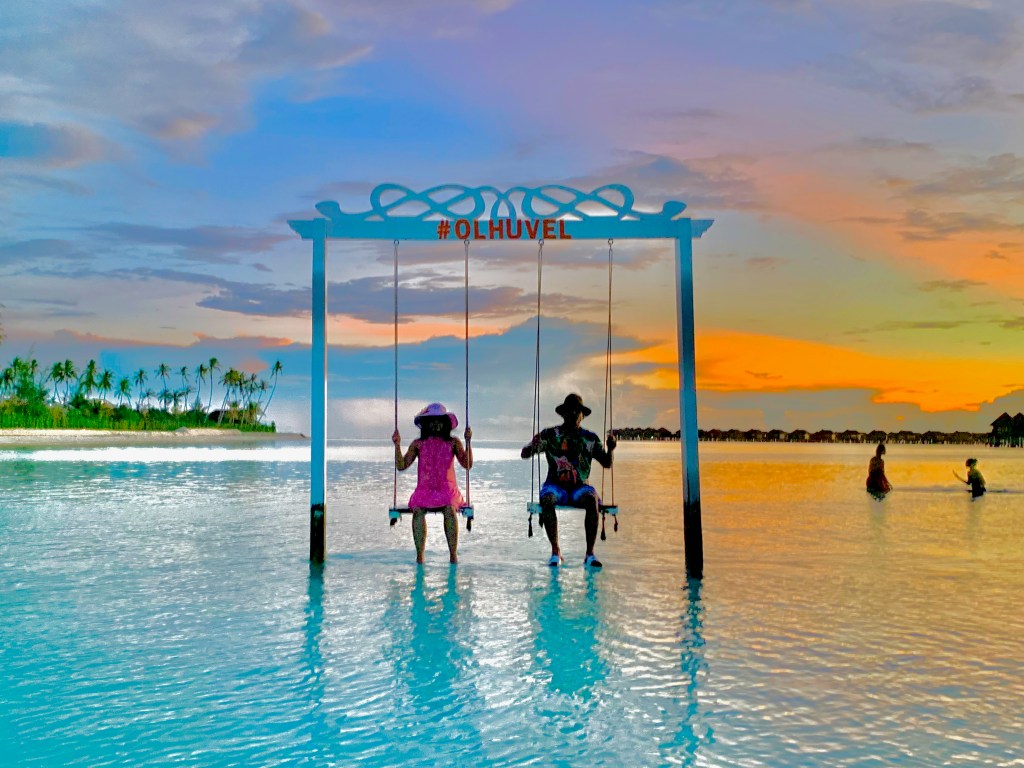
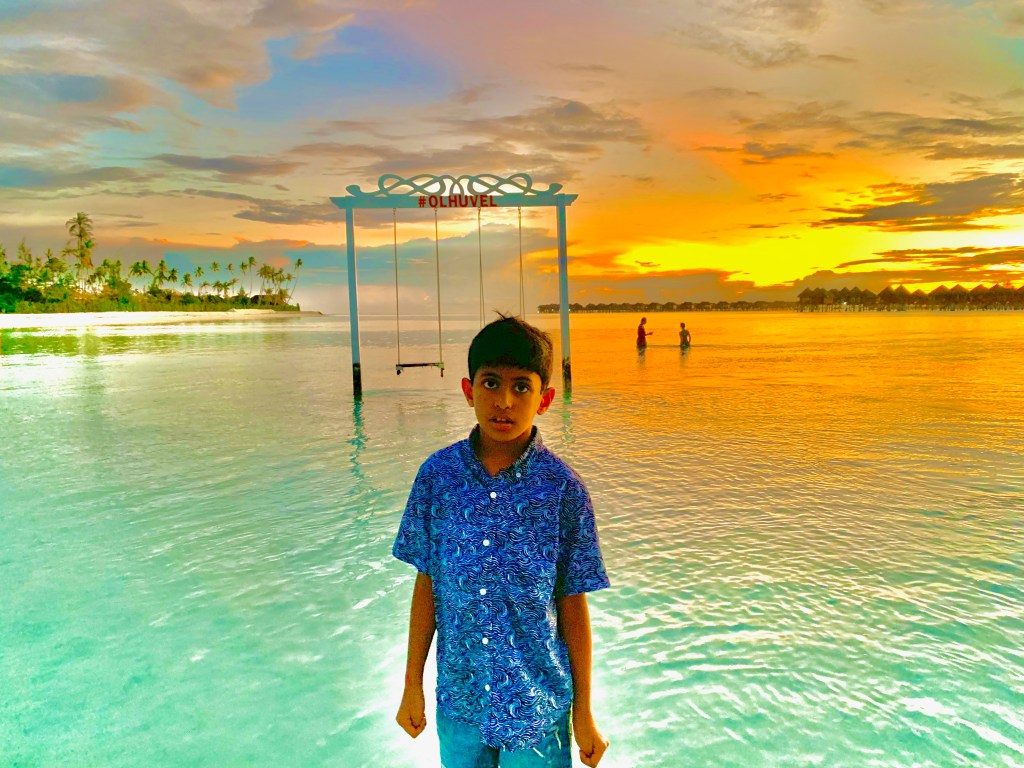
Our next destination is a private island Sun Siyam Olhuveli. Situated in the picturesque Maldives, Sun Siyam Olhuveli offers an unforgettable tropical getaway. With pristine white sandy beaches, crystal-clear waters, and lush greenery, this luxury resort is the perfect destination for relaxation and adventure. Whether it’s a romantic escape, a family vacation, or a solo retreat, Sun Siyam Olhuveli promises an unforgettable experience, blending natural beauty with top-notch hospitality.We took a private boat from Maafushi to reach the island. We spent our next 3 days in this beautiful island resort.
The accommodations at Sun Siyam Olhuveli are nothing short of luxurious, with lavish villas and suites that exude elegance and comfort. Whether you choose a beach villa for direct access to the powdery sands or an overwater villa for the ultimate seclusion and panoramic ocean views, each abode is designed to provide a private sanctuary infused with modern amenities and authentic Maldivian touches. We spent our first two days here in the beach villa as those are relatively less pricey than over-water bungalows.
When it comes to dining, Sun Siyam Olhuveli presents an array of culinary delights at its diverse restaurants and bars. From exquisite fine dining experiences to casual beach-side bites, guests can savor a variety of international cuisines and local Maldivian flavors, all prepared with the freshest ingredients and served with genuine Maldivian hospitality. We had opted for full board options which includes all three meals. The wide variety of food was a feast for our three days stay here.
For those seeking relaxation and rejuvenation, the resort’s spa offers a sanctuary of tranquility where guests can indulge in a range of holistic treatments and wellness rituals. With a serene ambiance and skilled therapists, the spa is the perfect place to unwind and pamper the body, mind, and soul.
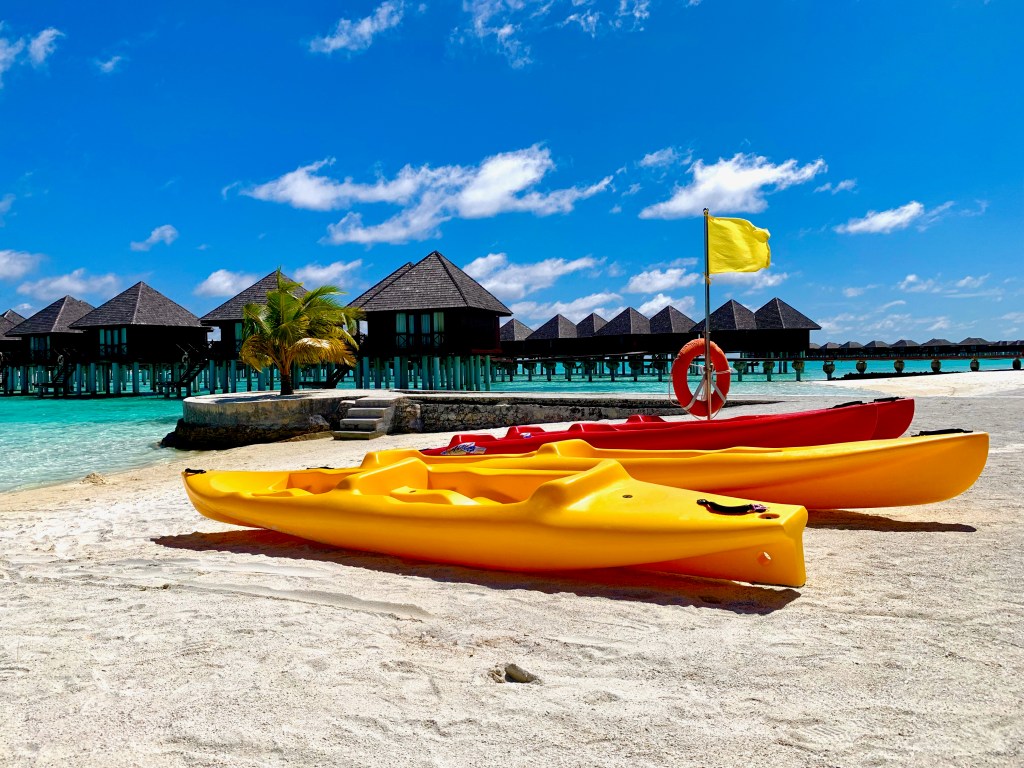
We also immersed ourselves in a range of water sports, including snorkeling, and sailing, allowing us to discover the vibrant marine life that thrives beneath the surface of the ocean. For those who prefer land-based activities, the resort offers tennis, beach volleyball, and yoga sessions, ensuring there is something for everyone to enjoy.
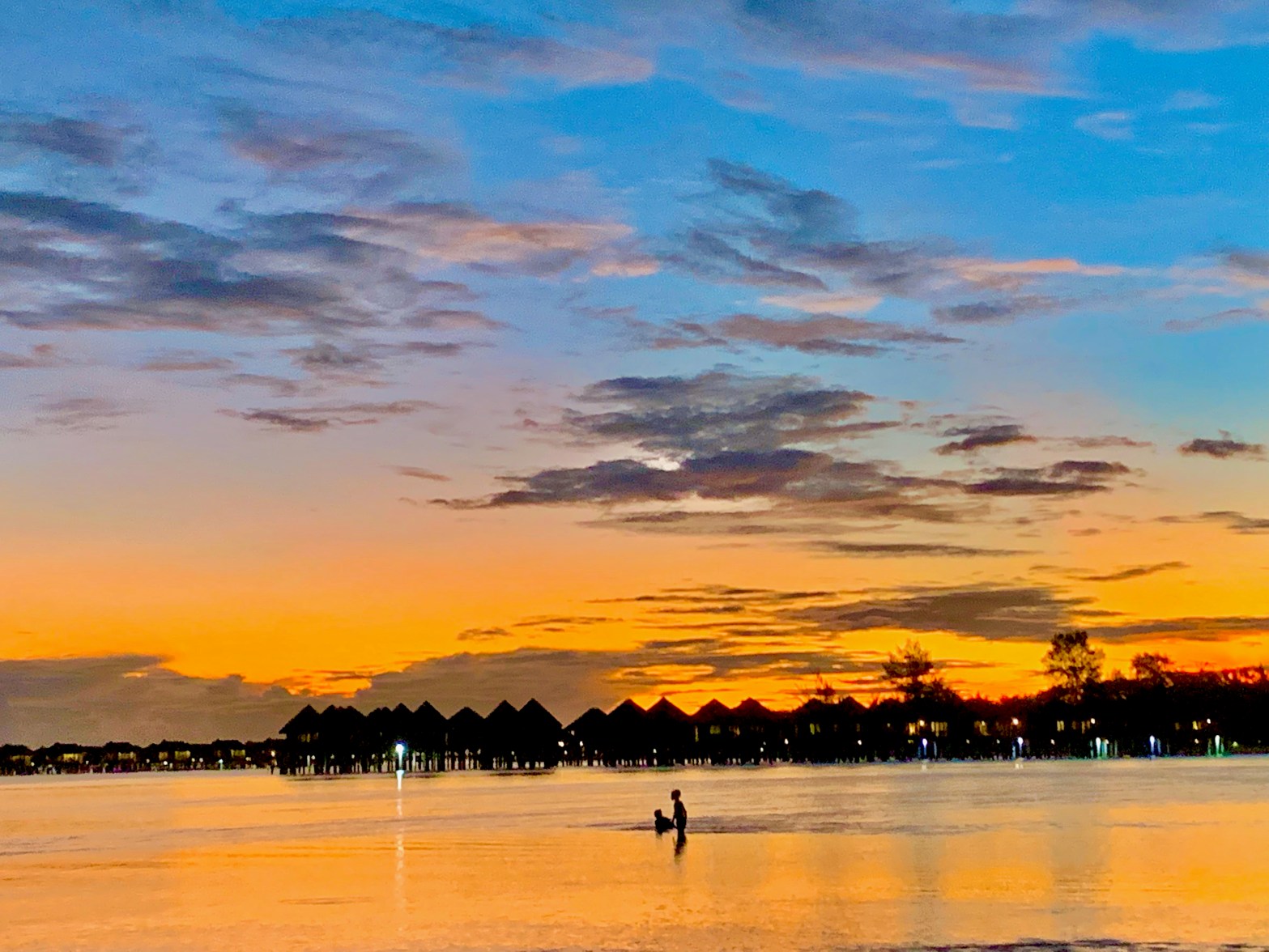
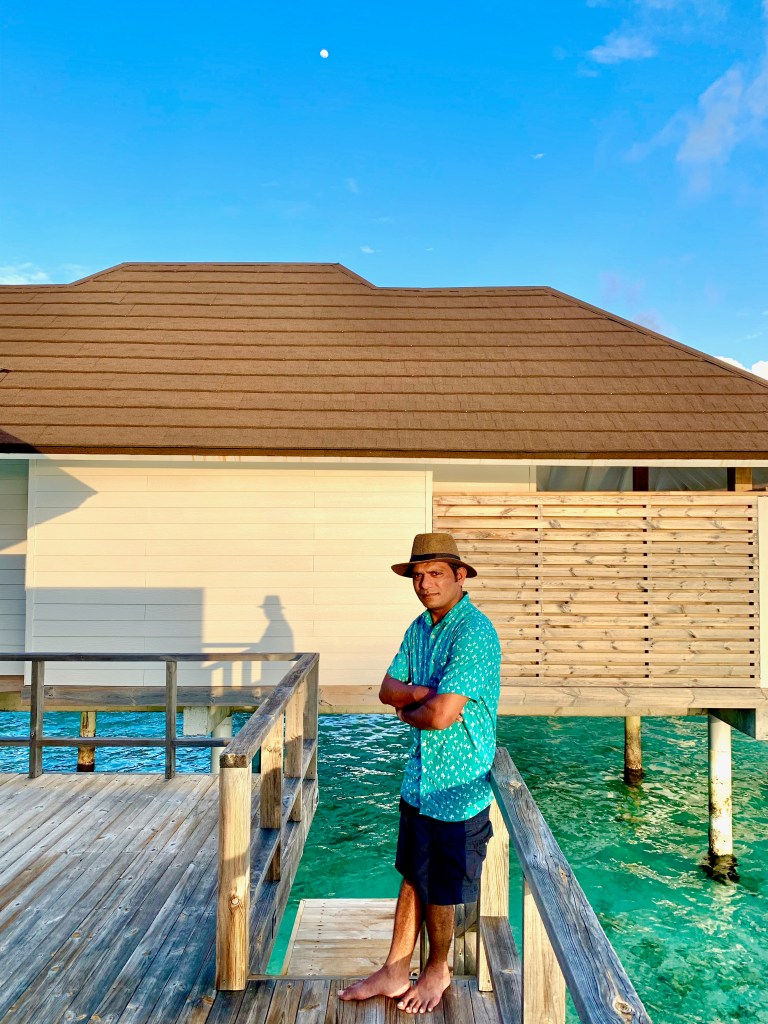
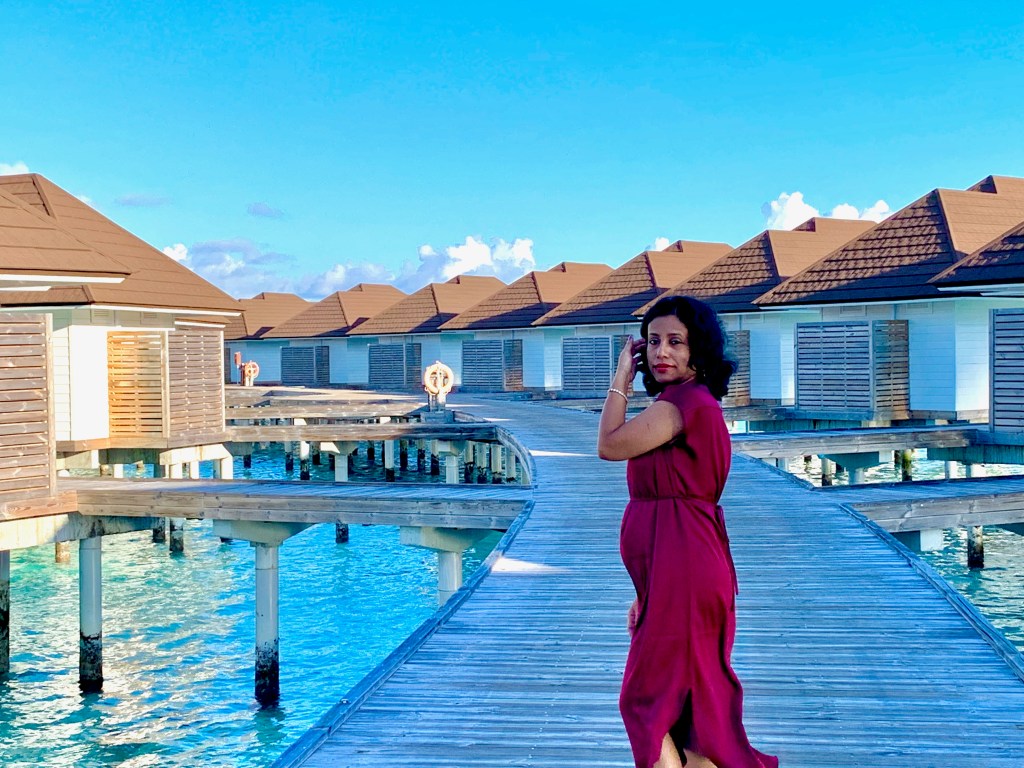
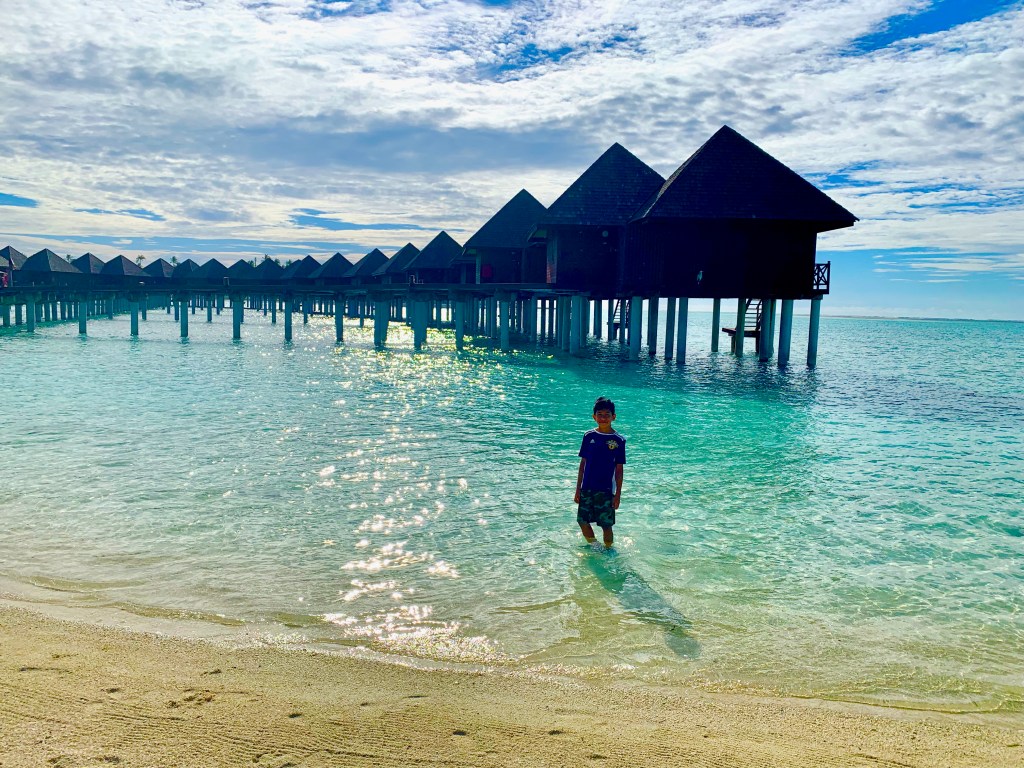
We spent our last day in the island in a overwater bunglow. The overwater bungalows at Sun Siyam Olhuveli offer a unique and idyllic retreat in the Maldives. Perched above the turquoise lagoon, these luxurious accommodations provide stunning panoramic views and direct access to the crystal-clear waters. Each bungalow is tastefully designed with modern amenities and spacious sundecks, allowing guests to indulge in the ultimate relaxation experience. Whether you’re lounging on your private deck or taking a dip in the lagoon, the Sun Siyam Olhuveli water bungalows are the epitome of tropical luxury.
After immersing ourselves in the tranquility of the Maldives, it’s time to reflect on the unforgettable experiences and the natural beauty that this tropical paradise has to offer. From the crystal-clear turquoise waters to the vibrant marine life, the Maldives has undoubtedly left a lasting impression.
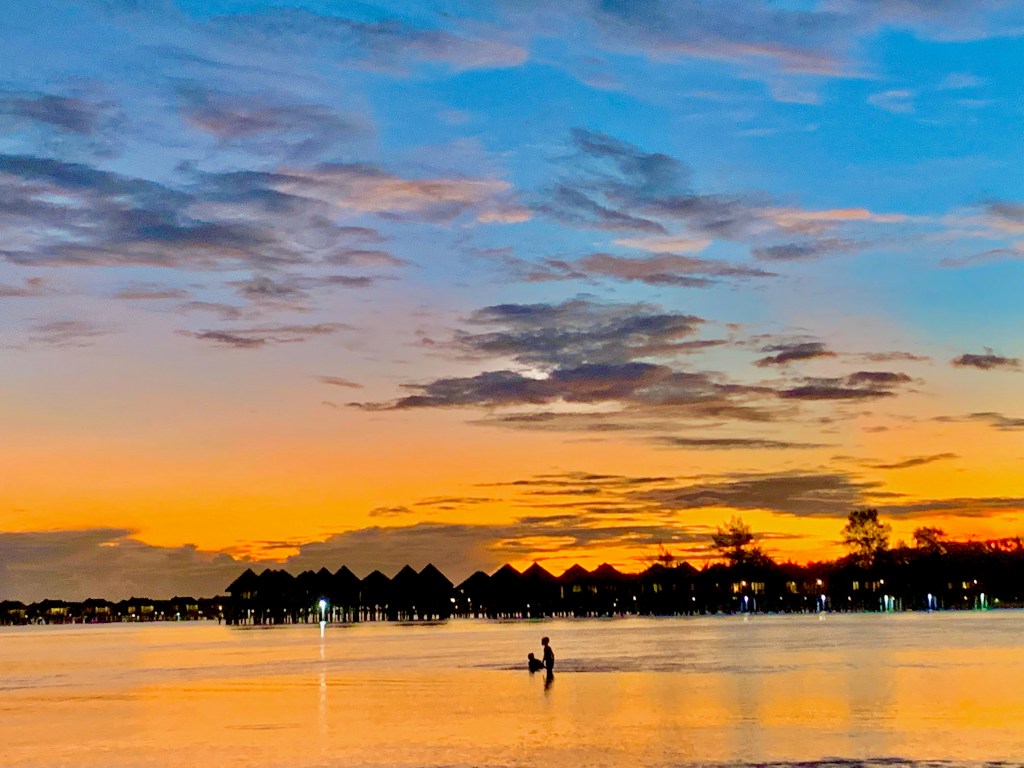
As we bid farewell to this mesmerizing destination, we carry with us the memories of breathtaking sunsets, the sense of serenity that comes with each ocean breeze, and the warmth of the Maldivian hospitality. The Maldives has surely left an imprint on our heart, inviting us to return and create even more cherished moments in the future.
Whether it was a romantic retreat, an adventurous escapade, or simply a peaceful getaway, the Maldives has undoubtedly woven its magic into our travel memories, making it a destination we will cherish forever. Until next time, may the allure of the Maldives continue to beckon you back to its idyllic shores. Safe travels!







































 Escape Explore Experience